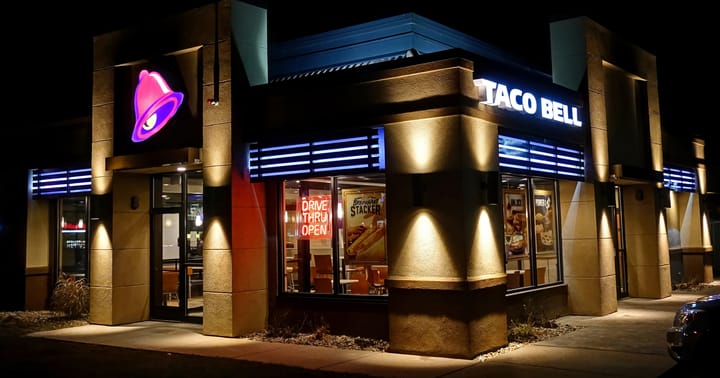
A cyclosporiasis outbreak linked to lettuce served at Taco Bell locations has prompted renewed scrutiny of restaurant supply chains across the quick-service sector. Health officials traced the parasitic infection to specific produce batches, affecting dozens of customers across multiple states.
The outbreak arrives amid a broader crisis for restaurant operators. Bankruptcies among chain establishments have accelerated significantly this year, with financial pressures from labor costs, inflation, and changing consumer habits squeezing margins. Several regional chains have filed for Chapter 11 protection, signaling continued instability in the casual dining segment.
Taco Bell parent company Yum Brands responded with enhanced supply verification protocols and increased transparency around produce sourcing. The company launched a marketing campaign emphasizing food safety improvements, positioning itself as an industry leader in restaurant hygiene standards.
Meanwhile, Chipotle Mexican Grill opened its first location in Mexico City, a bold expansion into the brand's ancestral market. The restaurant marks a significant milestone for the Denver-based chain, which has built its identity on Mexican-inspired fast-casual dining. The Mexico City debut signals confidence in the brand's international appeal despite domestic headwinds.
The timing reflects a complex moment for quick-service restaurants. Supply chain vulnerabilities expose all operators to contamination risks, forcing investment in traceability systems. Bankruptcy filings suggest the business model faces structural challenges. Yet growth opportunities remain in underpenetrated markets like Mexico, where American fast-casual concepts attract affluent urban consumers.
Taco Bell's cyclosporiasis response underscores how food safety incidents now shape brand perception and marketing strategy. Companies that invest visibly in prevention and transparency gain competitive advantage. For Chipotle, the Mexico expansion demonstrates that despite domestic challenges, American quick-casual brands retain global appeal and investor confidence for expansion plays.