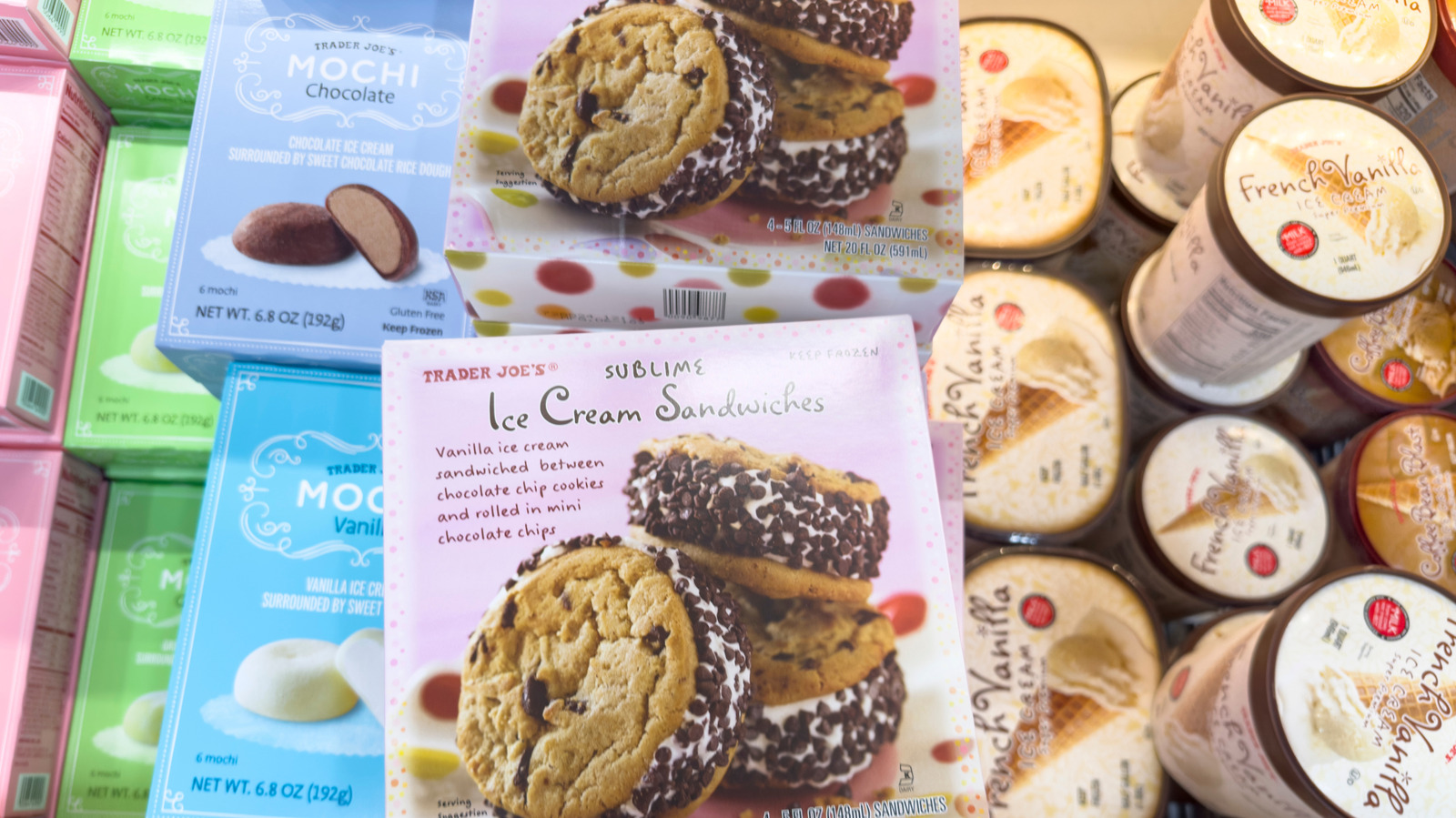
Trader Joe's frozen dessert section has become a destination for budget-conscious home cooks hunting for convenient sweets. The grocer's private-label desserts consistently rank among the retailer's most beloved products, blending affordability with unexpected flavor combinations that differentiate the brand from larger competitors.
The chain's dessert lineup reflects a strategy of importing international treats and reimagining American classics. Customers gravitate toward items like the Chocolate Lava Cake, which delivers restaurant-quality results from a microwave in minutes. The Speculoos Cookie Butter Cheesecake fuses Belgian spice cookies with creamy filling, tapping into the brand's earlier viral success with its standalone Cookie Butter spread. Seasonal offerings like the Pumpkin Cheesecake rotate through Trader Joe's inventory, creating urgency among repeat shoppers who stock up before discontinuation.
The retailer's dessert success stems from its supply chain model. By manufacturing most products under its own brand rather than reselling name brands, Trader Joe's maintains lower price points while controlling quality. A frozen chocolate mousse or tiramisu costs roughly half what comparable items fetch at premium grocers, yet customers report comparable taste and texture.
This strategy creates a loyal customer base. Social media buzzes with threads debating which frozen dessert merits shelf space, with passionate advocates defending personal favorites. The Mochi ice cream line, which combines Japanese preparation techniques with tropical flavors, has inspired cult-like devotion among fans seeking alternatives to traditional ice cream.
The popularity of Trader Joe's desserts reflects broader consumer trends. Shoppers increasingly value convenience without compromising indulgence, seeking products they cannot replicate easily at home. Trader Joe's prices these items accessibly enough that customers treat them as impulse purchases rather than splurges. A four-pack of chocolate-covered crepes costs