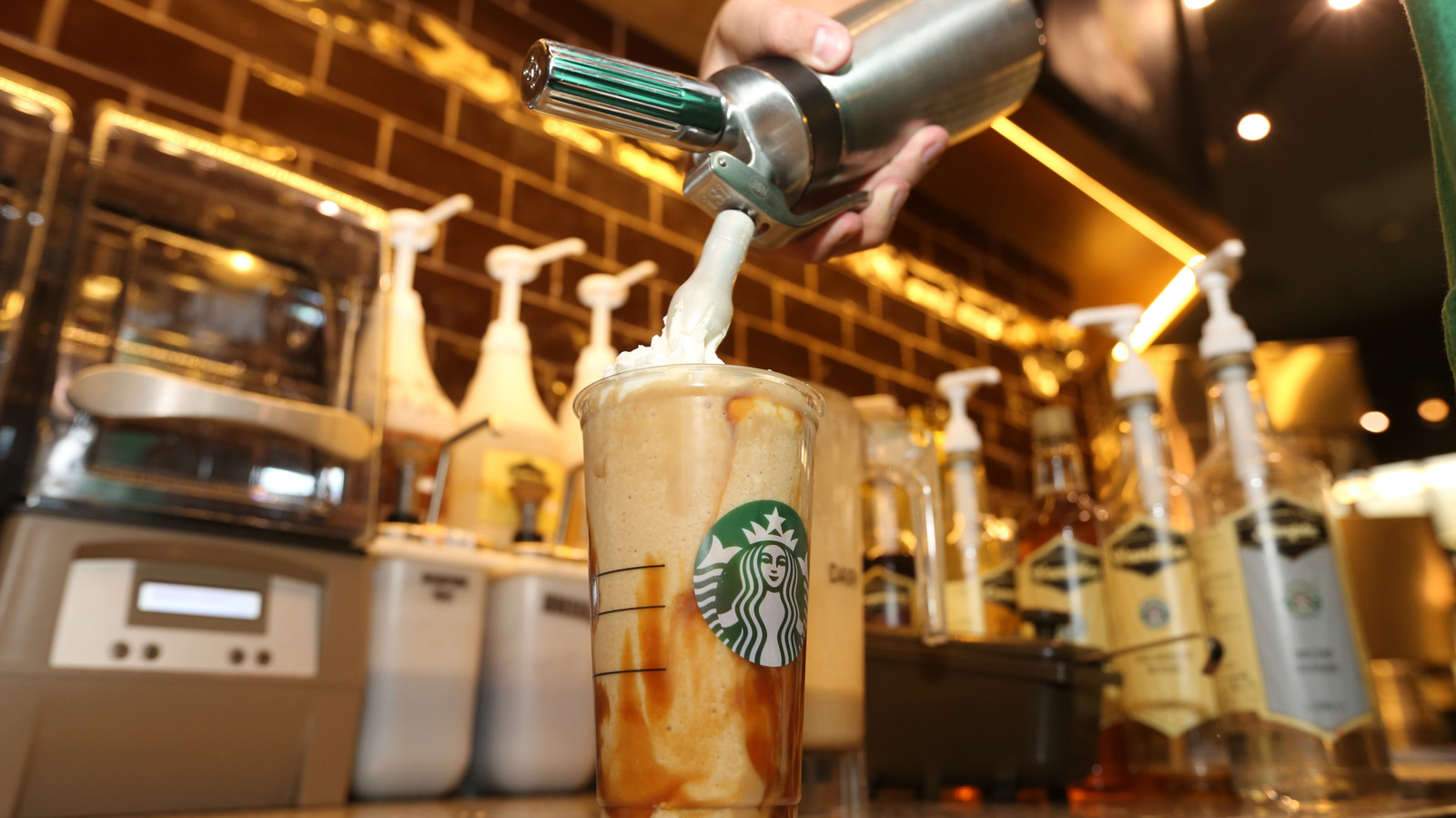
Starbucks faces a customer rebellion rooted in specific complaints about quality and experience. The coffee chain that once defined the third-place culture now struggles to deliver the consistency customers remember.
Longtime patrons cite declining coffee quality as the primary grievance. Many blame the shift toward automation and speed, arguing that rushed preparation sacrifices the craft that built Starbucks' reputation. The company's pivot to mobile ordering and delivery has fundamentally altered the in-store experience, with customers reporting crowded locations and longer waits despite ordering ahead.
Pricing emerges as another flashpoint. A basic espresso drink now costs nearly double what it did a decade ago, while drink customization fees keep climbing. Customers feel squeezed by constant price increases that outpace quality improvements.
Staff turnover compounds these problems. High turnover rates mean fewer experienced baristas who understand how to pull a proper shot or create the milk foam customers expect. Training shortcuts show in inconsistent drinks across locations.
The beverage menu explosion dilutes Starbucks' coffee identity. With dozens of sugary seasonal drinks and food items dominating promotional efforts, the company appears more invested in desserts than espresso. Simplicity, once a Starbucks hallmark, has vanished.
Location saturation has killed the exclusivity that made Starbucks aspirational. Ubiquitous outlets strip away the destination appeal. Customers can no longer enjoy a quiet moment in crowded, transactional spaces designed for maximum throughput.
Finally, the rise of specialty coffee shops offering superior quality at comparable prices presents real alternatives. Third-wave roasters and independent cafes now capture customers who once saw Starbucks as the premium option.
The chain built its empire on aspirational coffee culture and inviting spaces. That formula faces erosion as growth and efficiency dominate strategy over craft and experience.