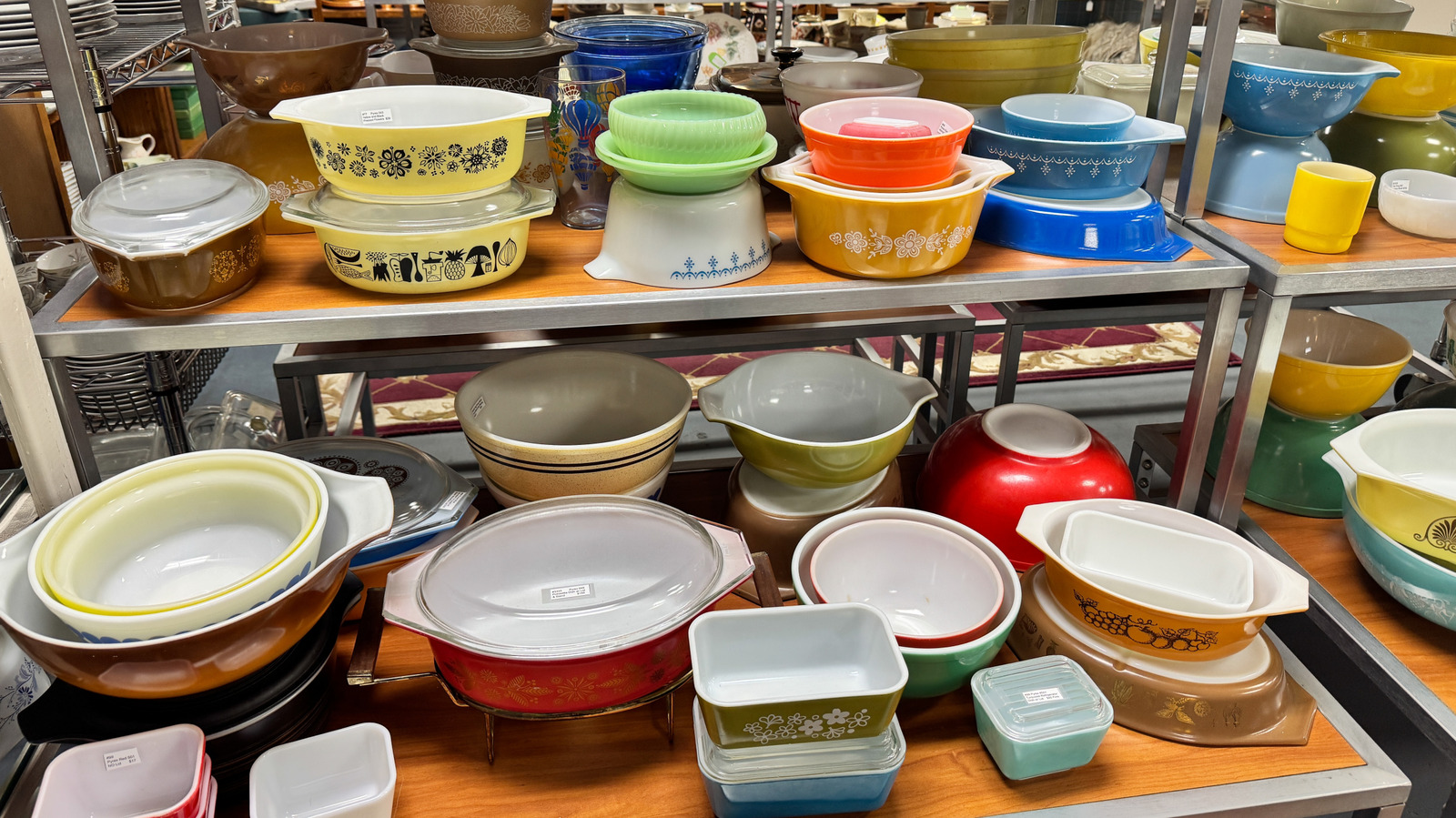
Vintage Pyrex collectors know the hunt never stops. Thrift stores have become treasure troves for mid-century glass cookware, especially pieces featuring specific prints that command serious collector interest today.
The 1950s marked Pyrex's golden era. The company released dozens of colorful, patterned designs that transformed functional bakeware into kitchen décor. Those prints, now decades old, separate casual vintage finds from investment-grade pieces. A single casserole dish with the right pattern can sell for hundreds of dollars online, far exceeding its original retail price.
Collectors prioritize specific prints over others. Rarer patterns fetch premium prices at auction sites and vintage marketplaces. The most sought-after designs feature bold geometric shapes, atomic-age aesthetics, or distinctive color combinations that defined 1950s style. Prolific prints from mass production runs hold less value, while limited-release patterns appreciate steadily.
Finding authentic vintage Pyrex requires knowing what to examine. Original pieces feature specific manufacturing marks on the bottom. Color vibrancy matters too. Decades of use and dishwashing fade many vintage prints, making pristine examples rarer and pricier.
The resurgence of mid-century modern design has fueled renewed interest in Pyrex cookware. Home decorators now display these pieces openly on kitchen shelves rather than stashing them away. Nostalgia drives demand, but genuine scarcity of certain patterns sustains collector enthusiasm.
Thrift store prices remain dramatically lower than online markets. A patient shopper might discover a valuable print for a few dollars, then resell it for substantial profit. This arbitrage opportunity has attracted serious hunters who visit estate sales and secondhand shops regularly.
Pyrex represents more than functional cookware. These pieces embody American manufacturing heritage and design innovation. They survived generations of family meals and holiday gatherings, making