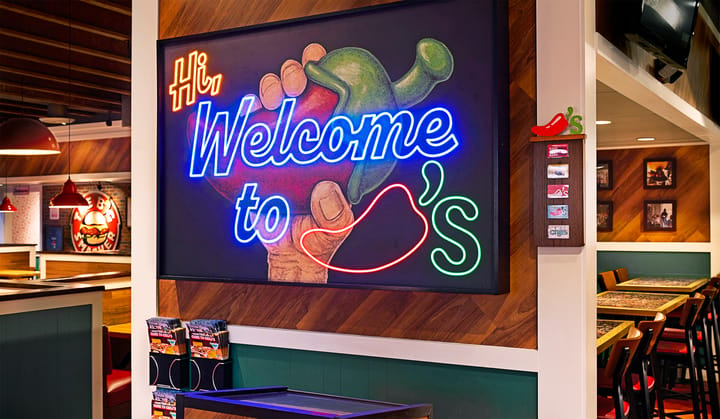
Ron Shaich, the activist investor and Panera Bread founder, has intensified his push for operational and strategic changes across major restaurant chains including Chili's and Domino's, according to reporting from Nation's Restaurant News.
Shaich brings decades of experience building Panera into a multi-billion dollar enterprise before stepping back from day-to-day operations. His involvement with Chili's parent company Brinker International and Domino's Pizza signals he sees operational inefficiencies and untapped potential at both chains.
The moves reflect broader pressures facing casual dining and pizza delivery sectors. Chili's operates thousands of locations but faces competition from fast-casual concepts and changing consumer dining habits. Domino's dominates pizza delivery but confronts labor challenges, delivery economics, and evolving customer expectations around speed and customization.
Shaich's track record at Panera demonstrates his philosophy. He built the chain through menu innovation, technology integration, and a focus on transparency around ingredients. Under his leadership, Panera introduced digital ordering, invested in ghost kitchens, and positioned sustainability as a brand differentiator.
His activist stance typically emphasizes streamlining operations, modernizing technology infrastructure, and refreshing brand positioning. For Chili's, this could mean menu rationalization, kitchen efficiency improvements, or accelerated digital-first ordering. For Domino's, it might address delivery model economics or kitchen automation.
The restaurant industry watches such activist involvement closely. When established operators like Shaich take positions at struggling or underperforming companies, it often precedes significant operational reshuffling. Major shareholders and boards recognize his expertise and willingness to push for change.
Both chains serve different market segments. Chili's targets casual diners seeking affordable meals and drinks. Domino's focuses on convenience and speed in pizza delivery. Yet both face similar pressures