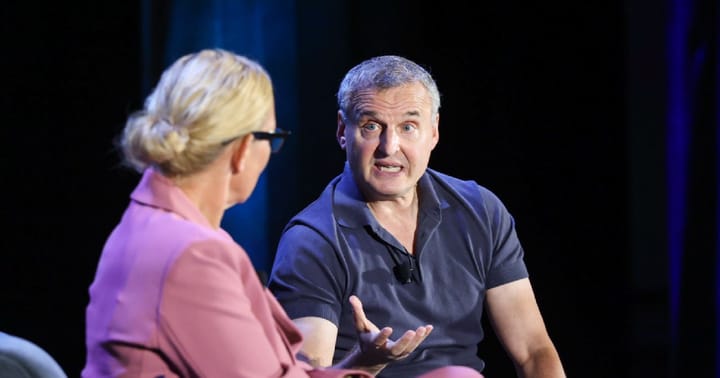
Phil Rosenthal, creator of "Everybody Loves Raymond" and "Somebody Feed Phil," positions food as a universal language that dissolves cultural boundaries. Speaking at the CREATE conference, Rosenthal articulated a philosophy centered on shared meals as the foundation for human connection and understanding across borders.
Rosenthal's career trajectory reveals how comedy and cuisine intersect. "Everybody Loves Raymond" established him as a television writer with deep roots in family dynamics. His transition to "Somebody Feed Phil," the Netflix documentary series, marked a deliberate shift toward exploring food culture globally. The show captures Rosenthal traveling to cities like Tokyo, Mumbai, and Rio de Janeiro, dining with locals and strangers, revealing how meals transcend language and nationality.
His conference remarks emphasized that eating together accomplishes what politics and policy often cannot. When people share food, they share vulnerability, history, and tradition simultaneously. This approach reflects broader trends in food media, where documentary series and travel shows increasingly foreground connection over consumption.
Rosenthal's mission carries practical weight in today's fractured landscape. Travel and communal dining both declined during the pandemic, yet appetite for content exploring these experiences remained strong. "Somebody Feed Phil" taps into nostalgia for connection and curiosity about global foodways.
The creator's work suggests that restaurants and culinary tourism function as diplomatic channels. Every meal becomes an opportunity for understanding. By centering food and travel as vehicles for empathy, Rosenthal advocates for a world where strangers become friends through shared appetite and open tables.
His framework challenges the transactional nature of modern dining, where efficiency often trumps presence. Instead, he champions slowness, curiosity, and the radical act of sitting across from someone different and breaking bread together. In this vision, restaurants become more than businesses. They become bridges.