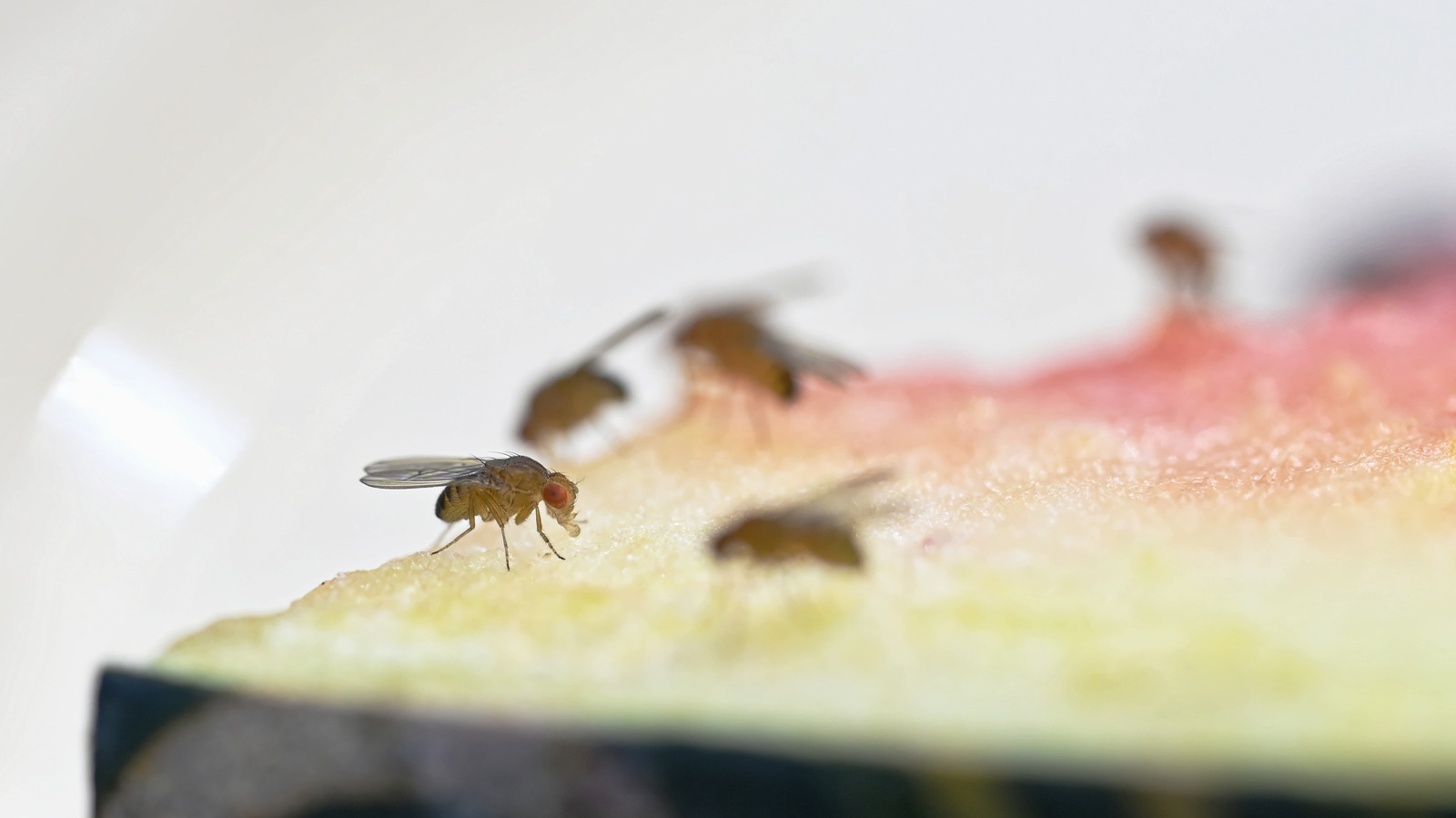
Fruit flies plague kitchens across the country, yet most home cooks rely on outdated traps and frantic swatting rather than prevention. The Daily Meal explores a straightforward solution that gets overlooked in the rush to eliminate infestations after they've taken hold.
The key lies in addressing what attracts fruit flies before they arrive. These insects seek fermenting produce, spilled juice, and decomposing organic matter in drains and garbage disposals. Rather than waiting for colonies to establish themselves, kitchen managers should eliminate breeding grounds proactively.
Scientists haven't documented concrete evidence that fruit flies transmit harmful bacteria to humans, which paradoxically makes prevention feel less urgent to many cooks. This gap between perceived and actual risk lets infestations flourish unchecked. The overlooked solution involves rigorous sanitation practices that disrupt the insects' lifecycle before it begins.
Effective strategies include storing ripe fruit in the refrigerator instead of leaving it on counters, cleaning drains thoroughly with boiling water and vinegar, and emptying compost bins and garbage regularly. Sealing containers and wiping down surfaces where fruit juice accumulates removes the organic matter that sustains populations.
This preventive approach beats reactive measures like apple cider vinegar traps or fruit fly sprays, which only address insects already present. The overlooked aspect here is timing. Most home cooks intervene only after spotting flies, missing the window when simple hygiene stops infestations entirely.
Kitchen sanitation standards in professional settings already emphasize these practices. Home kitchens benefit from adopting similar discipline around produce storage and drain maintenance. The solution requires no special products or equipment, just consistent attention to the conditions that invite fruit flies indoors. Starting with prevention saves the frustration and effort of managing a full-blown infestation.