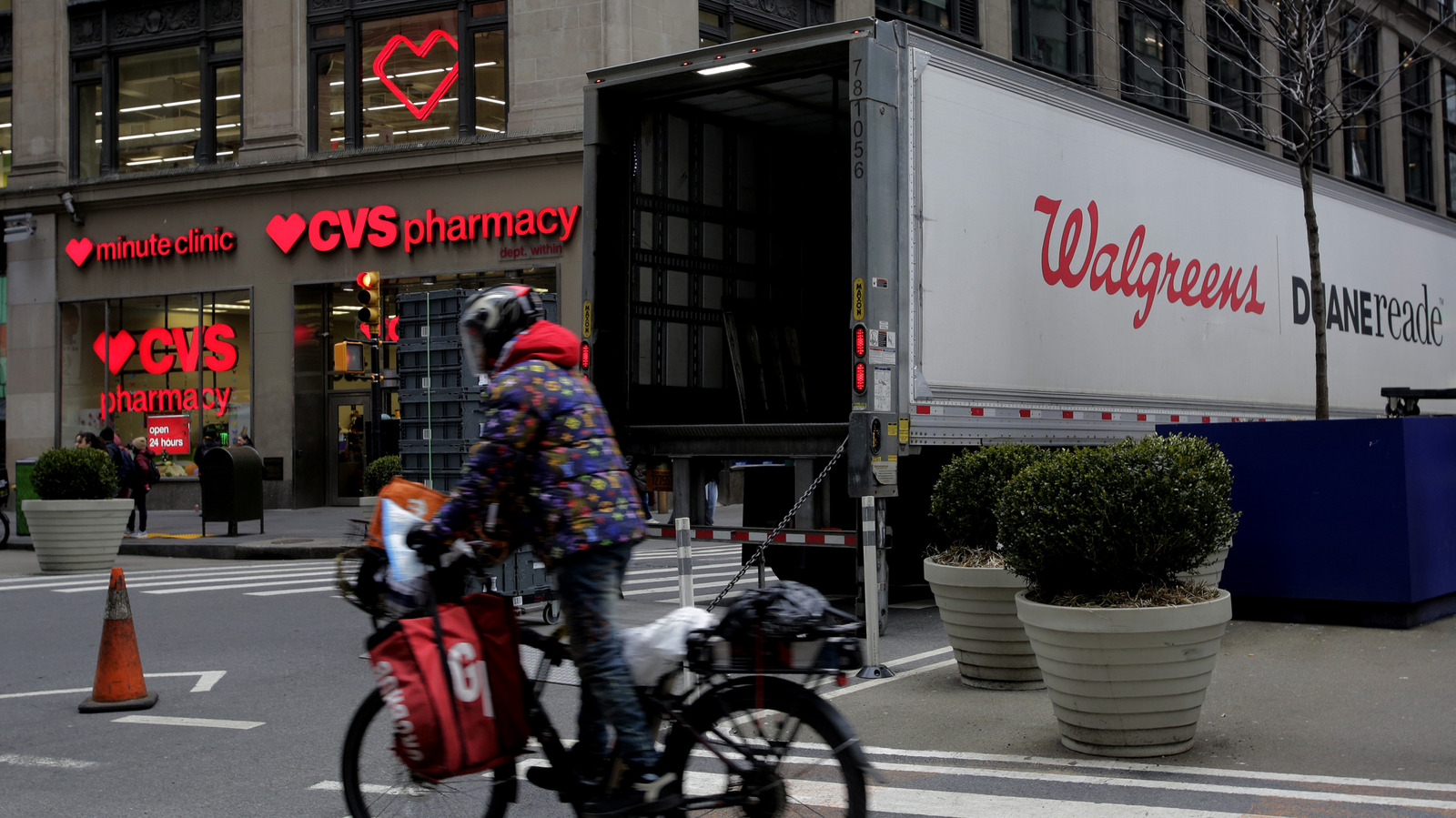
CVS and Walgreens have transformed themselves into grocery destinations, but their approaches diverge sharply when it comes to food quality and selection.
CVS has invested heavily in its food offerings, stocking fresh produce, prepared meals, and an expanding selection of organic and specialty items. The chain's focus on convenience foods and ready-to-eat options appeals to busy shoppers seeking quick meals alongside pharmacy services. CVS's private label brands offer competitive pricing on basics, though fresh produce quality varies by location and tends toward inconsistency compared to dedicated grocers.
Walgreens takes a different tack, prioritizing packaged goods and snacks over fresh items. The chain stocks broader selections of national brands and convenience foods, making it a stronger destination for pantry staples and grab-and-go options. However, Walgreens' fresh food selection remains limited, with fewer prepared meal options than CVS.
The produce quality comparison favors CVS locations with dedicated fresh sections, though neither chain matches the standards of supermarkets like Kroger or Whole Foods. Both retailers struggle with produce turnover, resulting in inconsistent freshness depending on store traffic and management.
Pricing presents another distinction. Walgreens often undercuts CVS on branded packaged goods, reflecting its stronger emphasis on that category. CVS's grocery expansion targets customers willing to pay pharmacy convenience premiums for integrated shopping.
The real winner depends on shopping priorities. Travelers or shoppers needing prepared meals find CVS more useful. Those buying pantry staples and snacks prefer Walgreens' deeper inventory and pricing. Neither replaces a full-service grocer for serious cooking or fresh ingredient shopping.
Both chains recognize that food drives foot traffic and basket size. Their competing strategies reflect broader retail trends where pharmacies diversify revenue streams and convenience trumps optimal selection for time-pressed consumers.