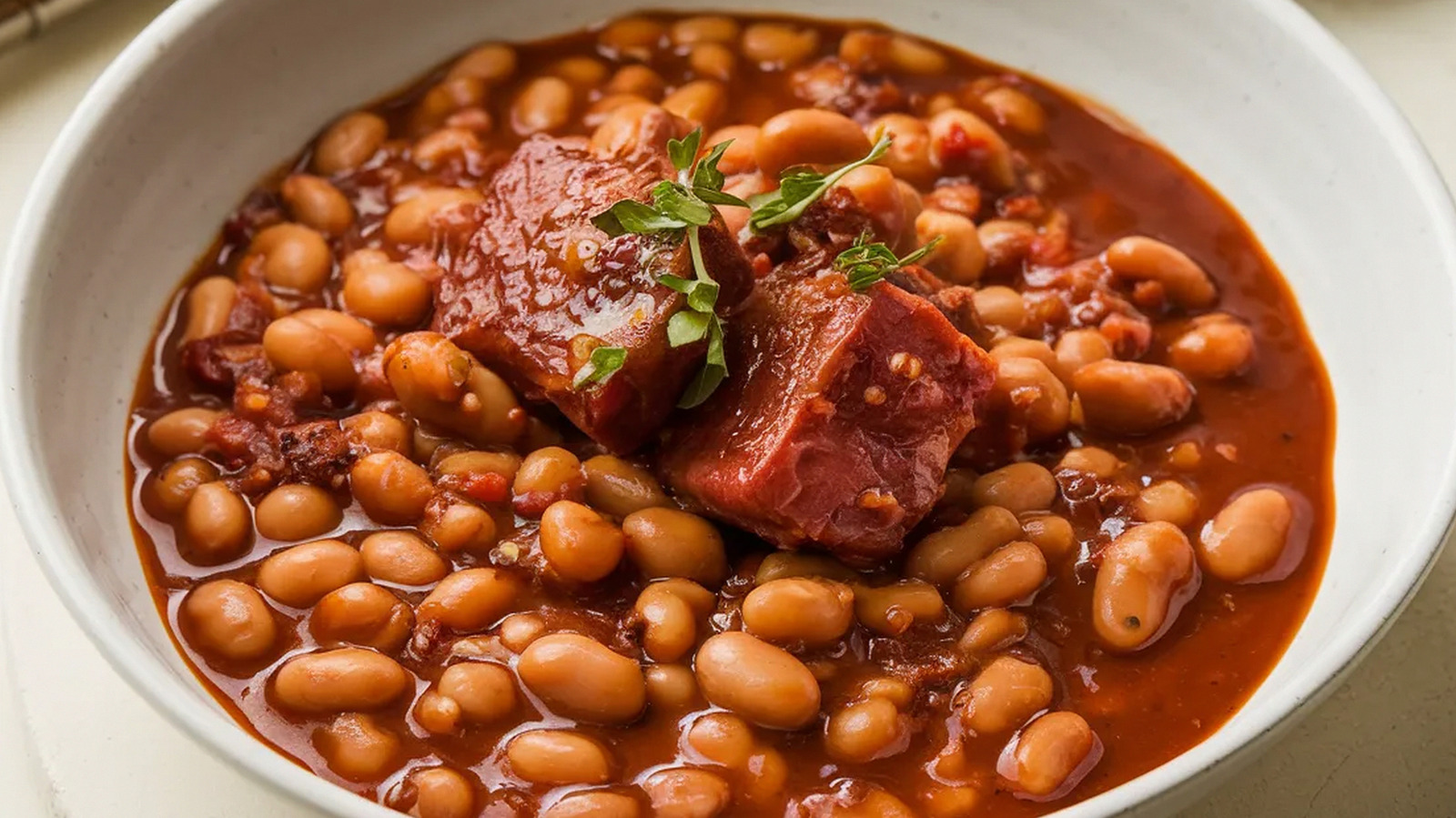
# The Sweet and Savory Beans Beloved by Cowboys in the West
Cowboys sustained themselves on austere trail rations designed for durability and nutrition. Among the most beloved dishes was a sweet and savory bean preparation that paired rugged practicality with genuine flavor.
The bean dish emerged from necessity. Cowboys required foods that could withstand days without refrigeration, transport easily in cast iron cookware, and provide sustained energy across long cattle drives. Beans delivered all three. Dried legumes stored indefinitely, cooked directly in the same pot used for sleeping under open sky, and offered protein and carbohydrates crucial for physical labor.
The appeal lay in balance. Cooks combined beans with salt pork or bacon for savory depth, then added molasses or brown sugar for sweetness and richness. Onions and chiles joined the mix when available. The result fed crews efficiently without monotony.
This chuck wagon staple reflected the cultural crossroads of the American West. Cowboys drew recipes from Mexican vaquero traditions, African American trail cooks, and frontier ingenuity. The sweet and savory bean dish represents one of the few genuinely collaborative regional cuisines emerging from that era.
Modern barbecue joints and Western-themed restaurants still serve versions of these beans. The preparation endures because the formula works. Slow cooking melts the beans into tender creaminess while molasses creates caramelized edges and smoke adds complexity. The dish requires patience but not skill.
Food historians recognize chuck wagon cooking as a legitimate culinary tradition, not mere survival food. These beans demonstrate how constraint breeds creativity. Cowboys lacked variety but mastered technique within rigid limitations. That discipline shaped how we cook hearty, humble food today.
The beans also reveal how American food culture formed from working-class necessity. What sustained laborers for fourteen-hour days eventually filtered into restaurant menus and home