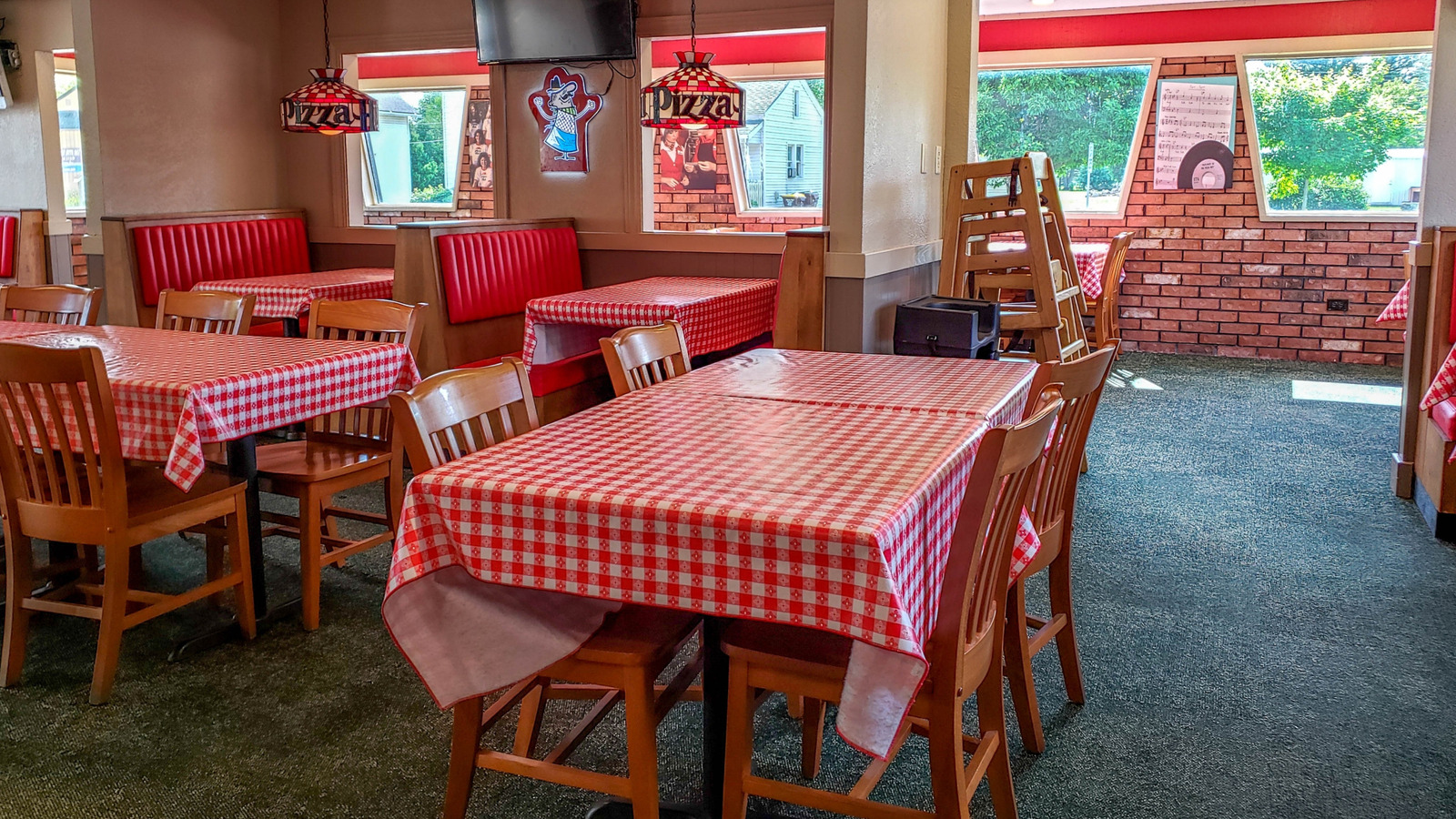
Pizza Hut's Australian menu reveals a gap between what American customers eat and what their counterparts Down Under enjoy. The chain tailors its offerings to regional tastes, and Australia has developed distinctly different products that outpace what U.S. locations serve.
Australian Pizza Hut locations feature items built on local preferences and ingredient availability. The menu reflects how major chains adapt globally, moving beyond standard pepperoni and cheese to incorporate flavors that resonate with regional diners. These aren't minor tweaks. They represent deliberate culinary choices shaped by Australian food culture.
Pizza chains across markets operate with surprising autonomy. Corporate headquarters sets parameters, but franchisees and regional teams develop menus reflecting local demand. Australia's Pizza Hut embraced this flexibility more aggressively than American locations, creating products that simply don't exist stateside.
The disparity matters for American consumers. It illustrates how market segmentation leaves U.S. fast-food eaters with narrower options than their international peers. Australia's menu innovations suggest what Pizza Hut believes works elsewhere doesn't necessarily translate to American preferences. Or perhaps American locations haven't tested bolder options.
This pattern extends across fast food generally. McDonald's, KFC, and Burger King all maintain country-specific menus. Starbucks varies offerings by region. These strategic choices reflect profit calculations and consumer research more than arbitrary differences.
The Australian Pizza Hut advantage also speaks to market maturity. Established chains in competitive international markets often push culinary boundaries faster than in saturated American markets. Competition drives innovation. When a brand dominates one market, innovation pressure decreases.
American Pizza Hut customers browsing the Australian menu online typically react with curiosity and mild frustration. The items appear achievable. Nothing requires exotic ingredients impossible to source domestically. Yet U.S. franchisees haven't pursued them.