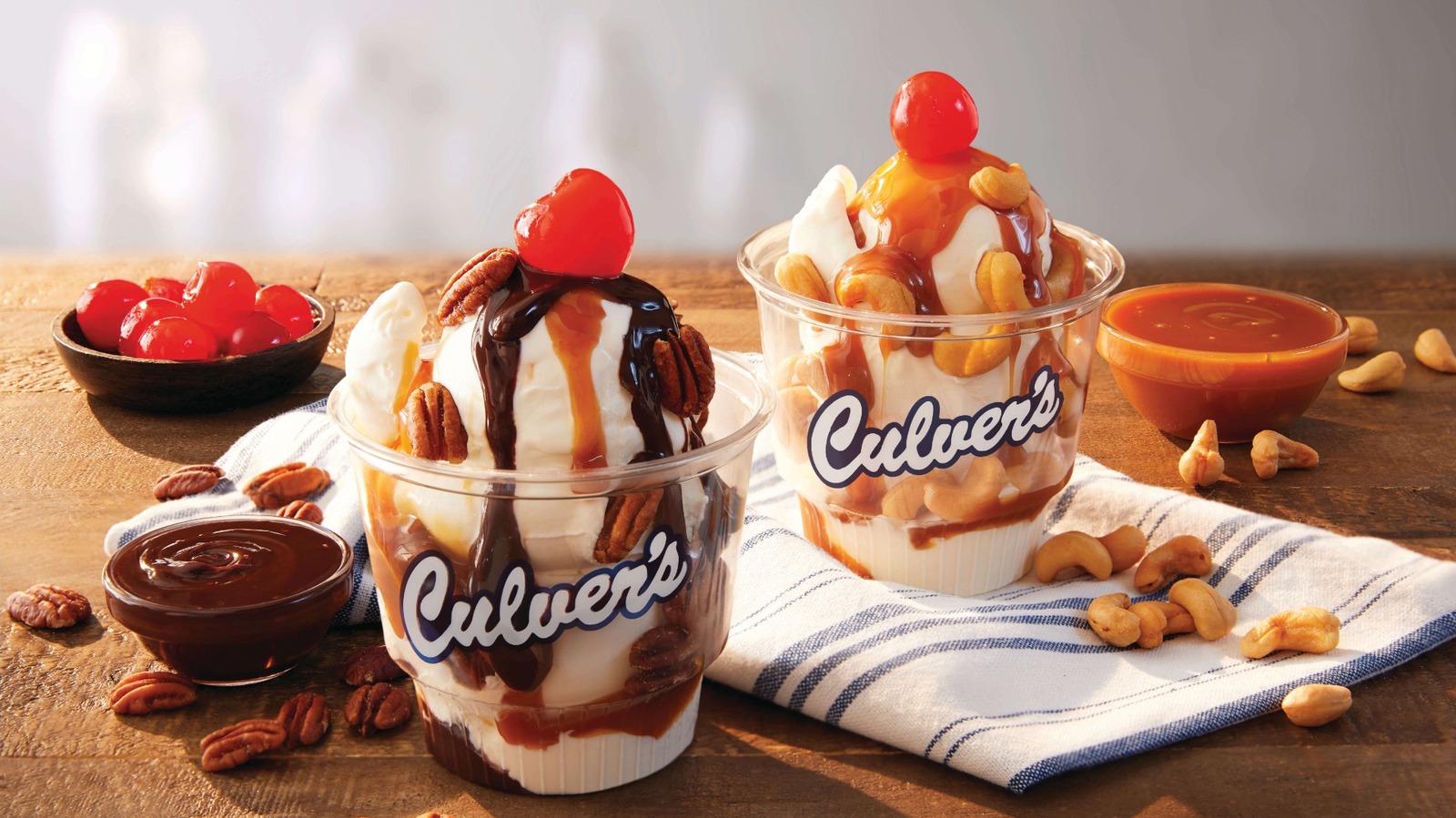
Culver's frozen custard derives its luxurious texture from a simple but decisive ingredient: egg yolks. Unlike standard ice cream, which contains 10 percent butterfat minimum, Culver's custard uses eggs as a fatty protein source that elevates both mouthfeel and richness. This addition pushes the final product well beyond ice cream territory into true custard classification.
The Wisconsin-based chain has built its entire dessert identity around this distinction. Fresh egg yolks contribute not just fat content but also emulsifying properties that create an exceptionally smooth, dense consistency. The yolks bind water and fat molecules together more effectively than cream alone, producing that signature velvety sensation on the palate.
Culver's sources its frozen custard fresh daily at each location, a practice that sets it apart from competitors who rely on pre-made mixes or shipments from central facilities. This commitment to daily production means the custard reaches customers at peak freshness, before oxidation dulls the egg's natural richness.
The formula resonates with consumers seeking indulgence. Custard typically contains 14 to 15 percent butterfat compared to regular ice cream's 10 to 12 percent range, but the real difference lies in flavor and texture development. Eggs don't just add fat. They create a protein matrix that holds moisture more effectively, preventing the grainy, icy texture that develops as frozen desserts age.
Culver's pairs this custard base with rotating "Flavor of the Day" offerings and permanent menu items like cheese curds, building a focused concept around quality over novelty. The chain operates 900 locations across 26 states, largely in the Midwest, where the fresh custard model gained traction as a regional standard.
This approach reflects broader consumer appetite for artisanal, ingredient-focused