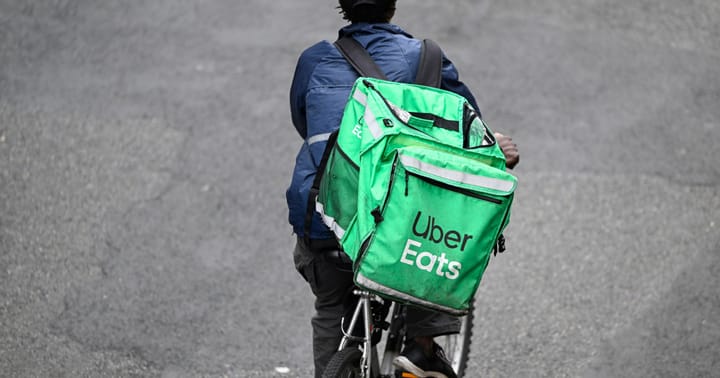
Uber is acquiring Delivery Hero, the German food delivery giant, for $14.8 billion in stock. The deal creates a logistics colossus that nearly doubles Uber Eats' reach across dozens of countries and millions of restaurants.
Delivery Hero operates in over 70 countries through brands including Foodpanda, Glovo, and Talabat. The company serves regions where Uber Eats has minimal presence, particularly in Southeast Asia, Latin America, and the Middle East. Uber Eats currently operates in roughly 70 cities globally. This acquisition immediately expands that footprint without building from scratch.
The all-stock transaction values Delivery Hero at $14.8 billion, a significant premium on its recent market performance. The deal reflects intense consolidation in food delivery, an industry that has seen brutal competition and persistent unprofitability. DoorDash dominates the U.S. market. Grab operates across Southeast Asia. This merger repositions Uber as the undisputed global leader by geographic reach.
For restaurants, the implications are mixed. Consolidation typically reduces platform competition, potentially giving Uber more leverage over commission rates. Independent restaurants lose negotiating power when fewer options exist. Conversely, unified logistics networks can reduce delivery times and operational costs, benefits that might trickle down to lower prices for consumers.
Delivery Hero's regional expertise matters. Talabat commands the Middle East. Foodpanda has deep roots in Asia. Glovo dominates parts of Europe and Latin America. Uber inherits established brand recognition and supplier relationships that would take years to build independently. The company likely plans selective rebranding while retaining local teams and operations.
The deal still requires regulatory approval, particularly in Europe where antitrust scrutiny runs high. German and EU authorities will examine whether combining two global delivery platforms reduces competition and harms