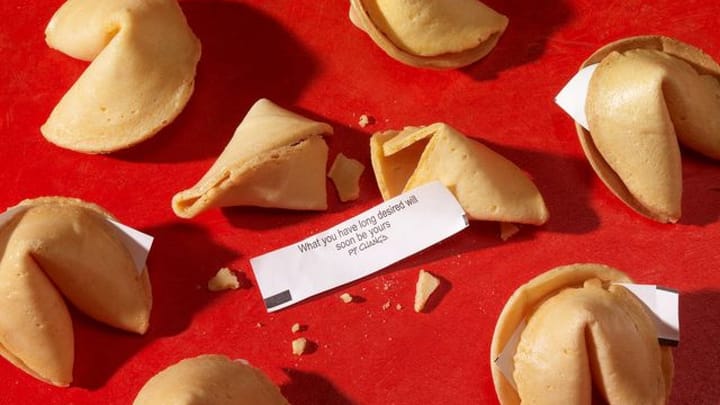
P.F. Chang's is leveraging National Fortune Cookie Day to drive digital loyalty program enrollment through a promotion tied to its broader Good Fortune campaign. The chain dangles virtual rewards to customers who sign up for its loyalty platform during the celebration.
The strategy reflects how casual dining chains now weaponize cultural moments and themed days to expand their first-party data collections. By tying enrollment to a playful, branded campaign, P.F. Chang's turns a simple sign-up into a gamified experience. Customers who enroll gain access to digital perks, points, and likely exclusive menu offers, while the restaurant captures email addresses and behavioral data that fuel targeted marketing.
National Fortune Cookie Day represents a natural fit for the chain's Asian-fusion positioning, even though fortune cookies trace their origins to Japanese immigrants in California, not China. The irony is deliberate. P.F. Chang's has built its business on Americanized takes on Asian cuisine since 1983, when founders Paul Flemming and Richard Chang opened the first location in Scottsdale, Arizona. Today, the chain operates over 300 restaurants across the United States and internationally.
This promotion lands amid intensifying competition in casual dining, where loyalty programs have become table stakes rather than differentiators. Competitors like Panda Express and Cheesecake Factory have sophisticated digital ecosystems that track customer preferences, frequency, and spend. P.F. Chang's Good Fortune campaign attempts to inject personality into what is otherwise standard restaurant loyalty infrastructure.
The push underscores a broader retail truth: today's restaurants treat loyalty signups as inventory. Each enrolled customer becomes a channel for personalized offers, menu testing, and behavioral analytics. The fortune cookie, a dessert typically eaten at meal's end, becomes a metaphor for the campaign itself. Sign up now, the logic goes, and luck unfolds through future rewards.
P.F