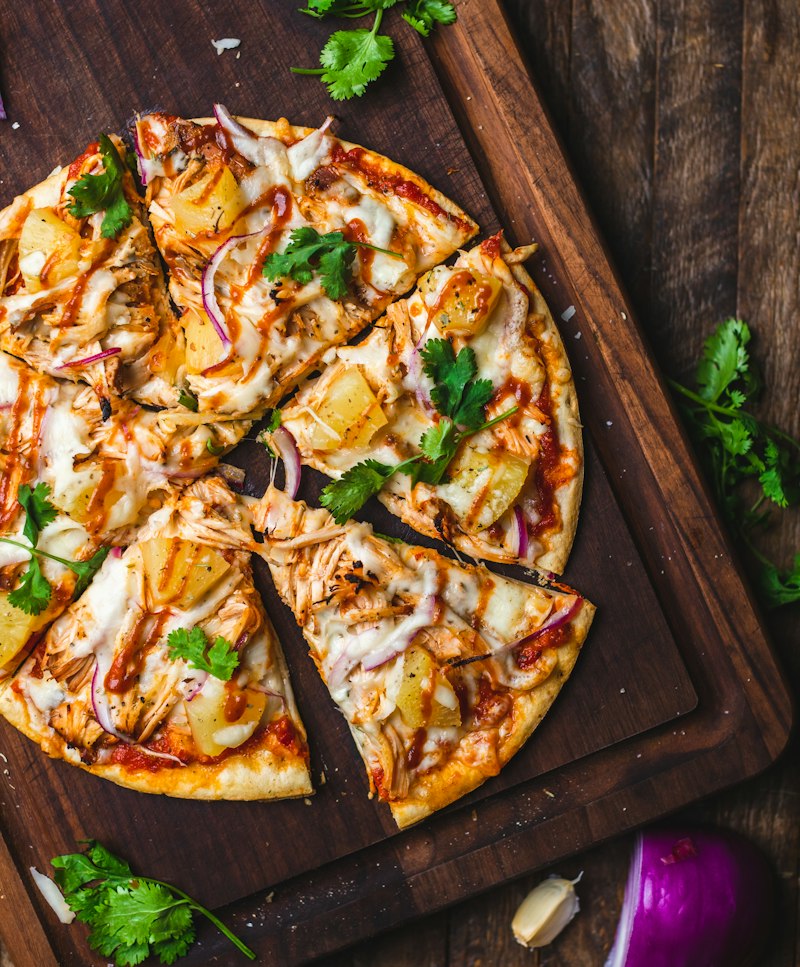
Three grocery store chains have emerged as serious contenders for the best hot bar selections, according to chefs who evaluate prepared food programs. The rankings reflect growing consumer demand for quality takeout options at supermarkets, where hot bars now function as casual dining destinations rather than secondary convenience items.
Grocery chains have invested heavily in their prepared foods departments, recognizing that hot bars drive foot traffic and basket size. Chefs praise specific chains for their ingredient quality, rotation frequency, and execution consistency. The selections range from rotisserie chickens and carved meats to vegetable sides and grain-based dishes that rival dedicated casual restaurants.
What distinguishes top-performing hot bars from mediocre ones comes down to operational discipline. Chefs note that successful programs maintain strict temperature controls, refresh items frequently throughout the day, and train staff to prepare food with care. Chains that source premium proteins and fresh vegetables show measurably better results than those cutting corners on ingredients.
The hot bar trend reflects broader shifts in how Americans eat. Fewer people have time for home cooking on weeknights, making affordable prepared meals at grocery stores increasingly attractive. Working parents, busy professionals, and solo diners all benefit from ready-to-eat options that beat fast food in quality while remaining faster than restaurant service.
Store operators view hot bars as competitive advantages in a crowded market. The programs generate consistent margins while building customer loyalty. Someone who buys a hot bar dinner twice weekly becomes a regular shopper for other items. This multiplier effect explains why major chains continue expanding their prepared foods sections even as grocery margins tighten elsewhere.
The recognition from professional chefs carries weight because it signals legitimacy. When culinary professionals endorse grocery store prepared foods, it validates the category beyond convenience and suggests real skill goes into preparation. This matters for chain positioning, allowing them to charge premium prices while defending against smaller specialty food shops.
As remote work flexibility continues