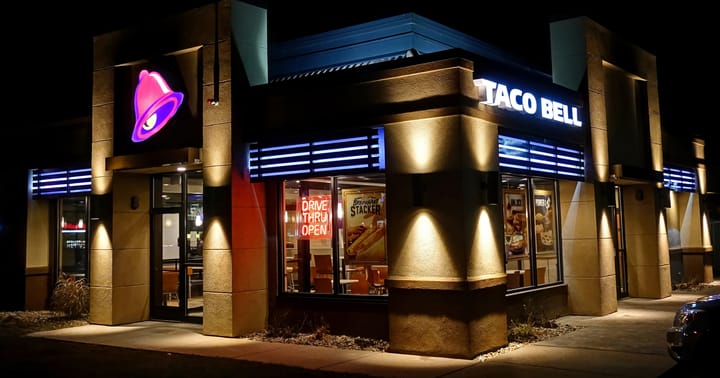
A cyclosporiasis outbreak linked to lettuce served at Taco Bell locations across multiple states has triggered fresh food safety concerns in the quick-service restaurant sector. The parasitic infection, transmitted through contaminated produce, sickened dozens of customers and prompted immediate supply chain audits across the chain's network.
The outbreak arrives as restaurant bankruptcies continue climbing, with several regional chains filing for protection this quarter. Industry analysts attribute the surge to persistent labor costs, supply chain volatility, and consumer spending slowdowns in casual dining. Quick-service establishments face particular pressure as food safety incidents erode customer confidence at a moment when margins already compress.
Taco Bell responded by implementing enhanced produce verification protocols with suppliers and tracing the contaminated lettuce to its source. The chain worked alongside the FDA to identify affected locations and notify customers. Executives emphasized their commitment to food safety standards, though the incident underscores how even large operators with established protocols remain vulnerable to produce-related pathogens.
In a contrasting development signaling brand confidence, Chipotle opened its first location in Mexico, marking an expansion into the nation where Mexican cuisine originates. The Mexico City restaurant tests Chipotle's international ambitions beyond its traditional North American footprint. The move reflects the brand's conviction in its assembly-line model and customizable bowl format, even in a market saturated with authentic local competitors.
The timing highlights a tale of two restaurant industries. Established players like Chipotle with strong balance sheets pursue growth in new territories. Meanwhile, smaller and mid-sized chains struggle with debt service and operational costs. The Taco Bell outbreak serves as a reminder that scale offers no immunity from supply chain disruption.
Food safety experts point to industry fragmentation in produce sourcing as a persistent vulnerability. Single-source outbreaks can affect dozens of locations within hours. Investment in traceability technology and supplier relationships becomes not