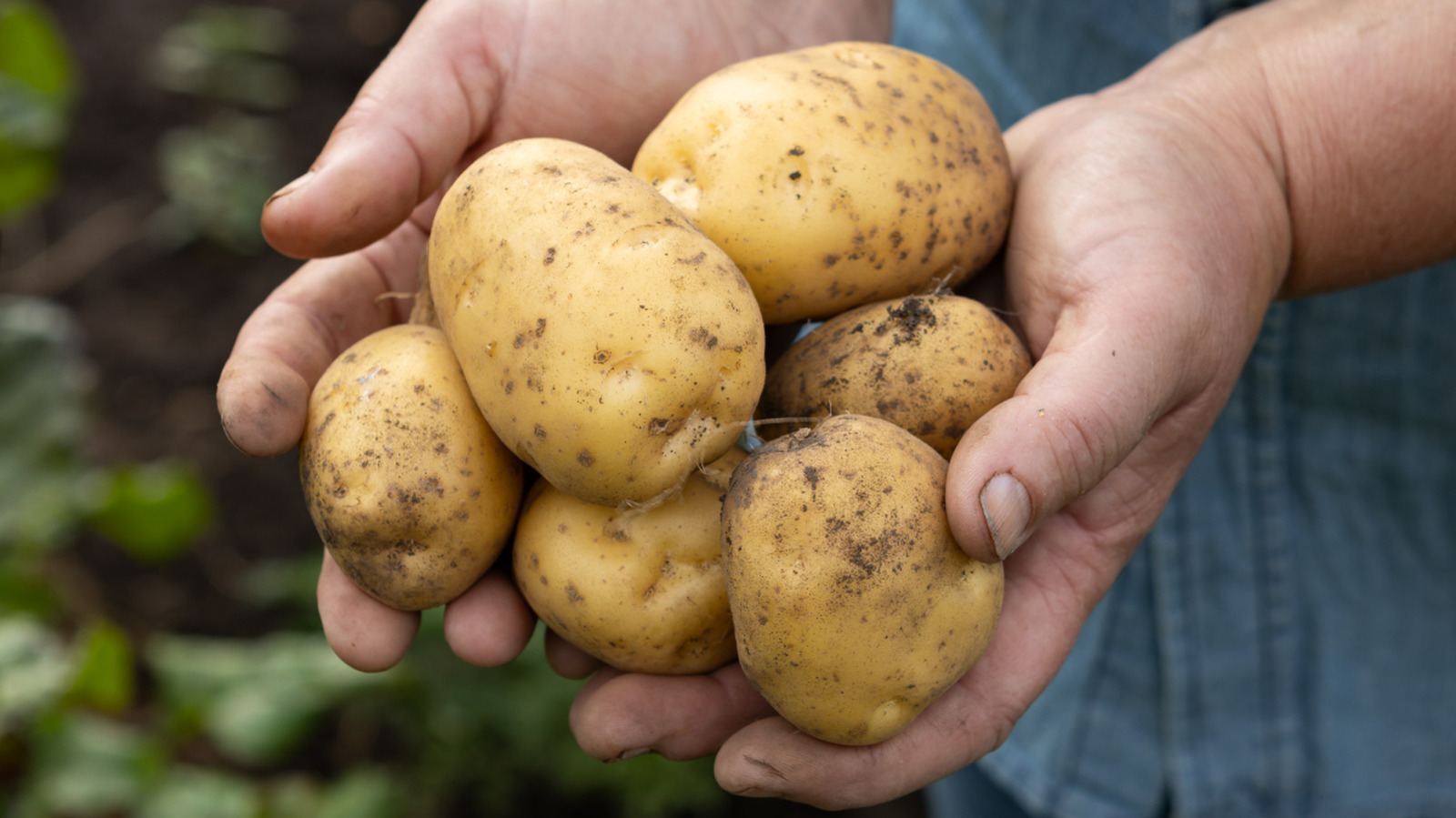
Potatoes with green skin patches signal the presence of solanine, a toxic alkaloid compound that develops when potatoes are exposed to light during storage or growth. These green areas indicate the potato has produced this naturally occurring poison as a defense mechanism, and consuming high levels of solanine can cause nausea, headaches, and digestive distress.
The safest approach is simple. Discard any potato displaying green discoloration, whether it covers the entire surface or appears as small spots. Do not attempt to cut away the affected areas, as solanine can spread throughout the tuber. Even peeling won't guarantee safety if the toxin has penetrated the flesh.
Storage practices prevent this problem entirely. Keep potatoes in cool, dark places between 45 and 50 degrees Fahrenheit. Basements and pantries work better than kitchen counters where light exposure accelerates solanine production. Paper bags beat plastic containers because they allow air circulation while blocking light.
Home cooks often overlook this basic food safety rule, assuming discolored potatoes are still edible if prepared correctly. They're not. While cooking reduces some solanine levels, it doesn't eliminate high concentrations completely. Young potatoes and fingerlings are particularly vulnerable because their thin skins offer less protection.
Check potatoes before purchase at the grocery store and again before cooking. Proper inspection takes seconds but protects your household from preventable foodborne illness. Storage in appropriate conditions keeps your potato supply fresh and safe for weeks. This straightforward vigilance ensures your root vegetables remain a reliable pantry staple rather than a health hazard.