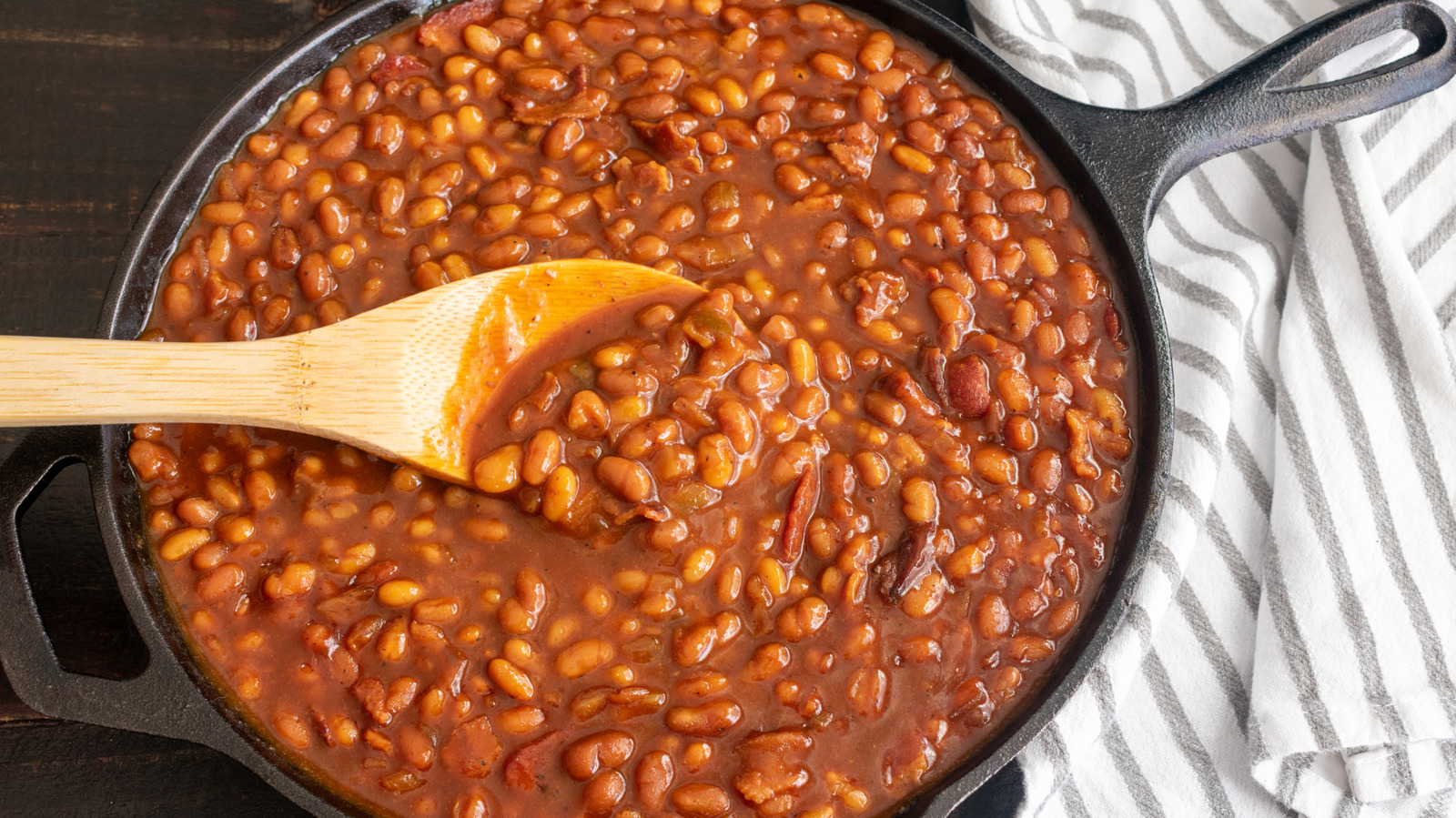
Baked beans have long relied on bacon for their smoky depth and protein punch, but a leaner alternative deserves the spotlight. Beef brisket offers superior protein content while delivering rich, savory flavors that complement the beans' natural sweetness without the high fat load bacon brings.
A single serving of brisket contains roughly 26 grams of protein per 3-ounce portion, compared to bacon's 12 grams in the same amount. Brisket's collagen-rich structure breaks down during slow cooking, creating a silky mouthfeel that binds with the bean sauce far more effectively than crispy bacon ever could. The meat's deep umami notes layer seamlessly with molasses, brown sugar, and tomato paste in traditional recipes.
The shift reflects broader dietary trends toward protein optimization and fat-conscious eating. Home cooks now view baked beans as a vehicle for lean muscle-building nutrition rather than indulgent comfort food. Brisket's affordability makes this swap economically smart too. A pound of brisket typically costs less than premium bacon cuts and stretches further through a larger batch.
The cooking method matters. Braising brisket separately, then shredding it into the beans during the final 15 minutes of baking, ensures the meat stays tender and fully integrated. This technique prevents the toughness that can result from extended oven time.
This substitution works particularly well in crowd-sized portions for barbecues or potlucks. The shredded brisket creates visual appeal and texture variety that pre-cooked bacon cannot match. Home cooks experimenting with this swap report that the beans taste less greasy and feel more substantial on the plate.
Brisket's versatility extends beyond the stovetop too. Leftover shredded meat works beautifully in other bean