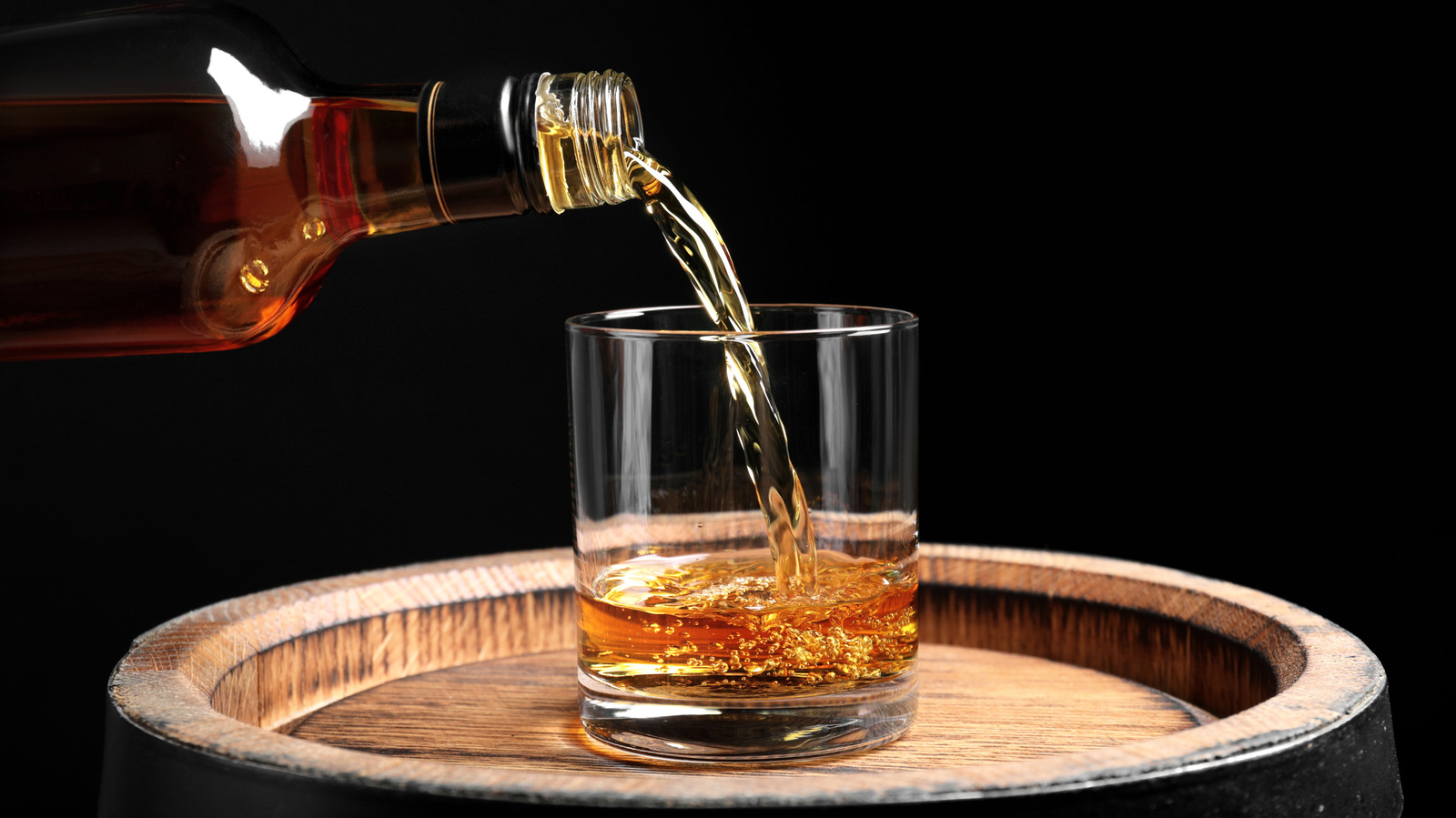
Jack Daniel's dominates American whiskey sales, but the spirit category tells a more complex story in 2026. The Tennessee whiskey giant has held its position as the nation's best-selling American whiskey through consistent marketing and deep distribution networks that reach bars, liquor stores, and restaurants across the country.
Competition remains fierce from bourbon powerhouses like Jim Beam and Maker's Mark, which command significant shelf space and consumer loyalty. Yet smaller, craft-focused distilleries have begun capturing market share by targeting younger drinkers who prioritize authenticity and storytelling over brand heritage alone.
The whiskey market reflects broader trends in American spirits consumption. Premiumization continues driving growth, with consumers trading up from entry-level bottles to higher-quality expressions. Rye whiskey has resurged after decades of obscurity, appealing to cocktail enthusiasts and home bartenders seeking complexity beyond standard bourbon profiles.
Regional distilleries have carved out meaningful niches. New York, Colorado, and Kentucky craft producers challenge established players by emphasizing local grain sourcing, innovative barrel aging, and limited releases that create scarcity and desirability. Social media amplifies these emerging brands, allowing small producers to build communities without traditional advertising budgets.
The category's growth outpaces other spirits, with Americans increasingly viewing whiskey as a category for exploration rather than mere consumption. Tasting events, distillery tourism, and educational content from producers have elevated consumer knowledge and willingness to experiment beyond familiar names.
Distribution remains the ultimate advantage for legacy brands. Jack Daniel's, Jim Beam, and similar established players leverage existing relationships with retailers and on-premise venues. Their advertising budgets dwarf competitors, ensuring visibility in crowded markets where shelf space commands premium pricing.
Whiskey's renaissance reflects changing American palates. Craft cocktail culture elevated spirits from background mixer to central ingredient. Consumers now research production