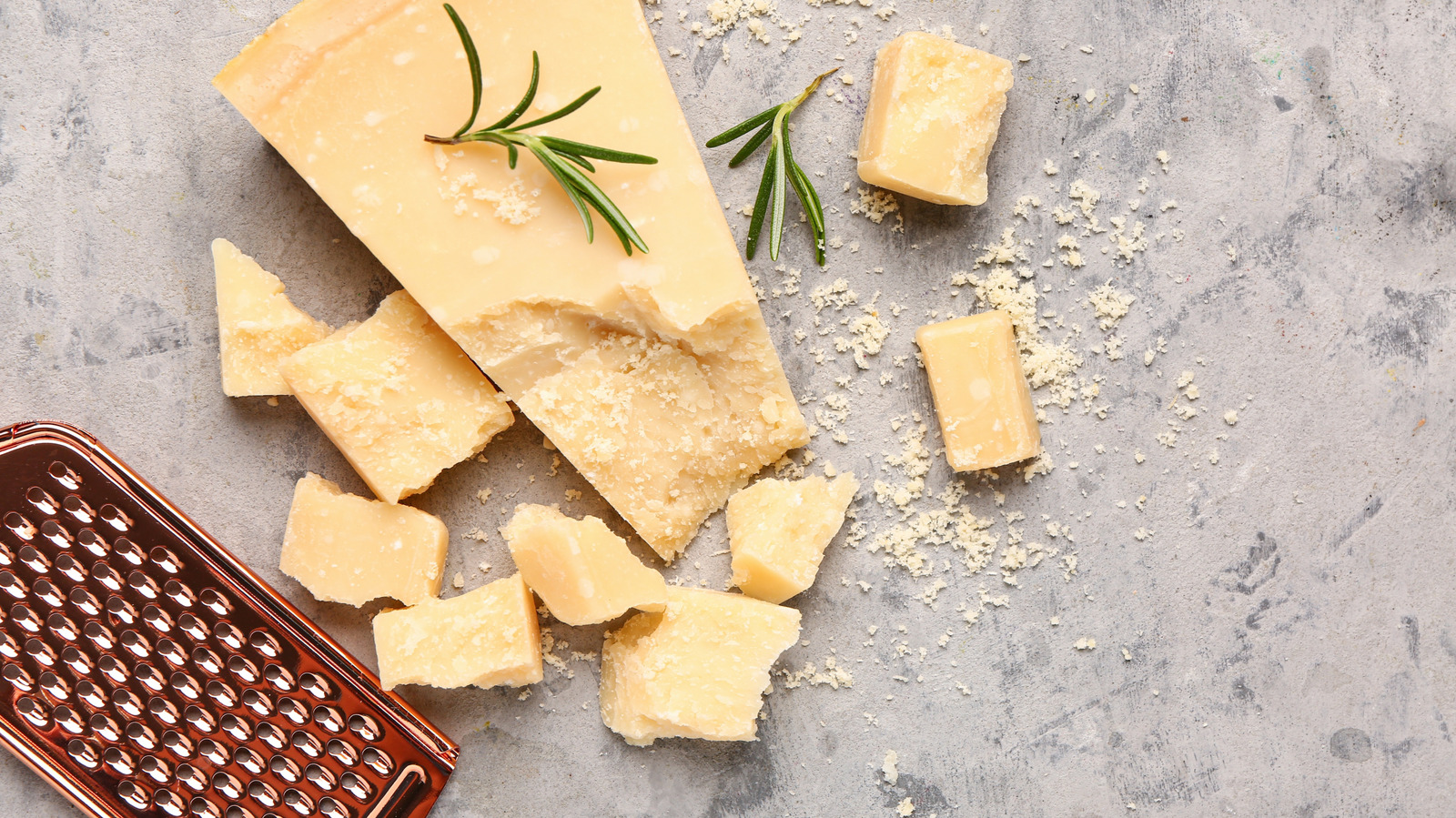
Aldi undercuts Trader Joe's on parmesan cheese, offering sharper pricing on its private label blocks and shreds. Both retailers stake their reputations on affordable grocery shopping, yet their strategies diverge when it comes to the Italian hard cheese staple.
Aldi's parmesan selection emphasizes bulk value. The chain stocks its own brand parmigiano-reggiano alternative at prices roughly 15 to 20 percent below Trader Joe's comparable offering. For home cooks buying in larger quantities, Aldi's approach rewards volume purchases without sacrificing quality. The blocks grate consistently and deliver the nutty, salty punch parmesan demands.
Trader Joe's counters with convenience and curated sourcing. Its shredded parmesan comes pre-portioned and packaged for quick weeknight cooking. The store sources selectively, banking on customer loyalty built through consistent product selection rather than rock-bottom pricing. Many shoppers accept the premium as payment for the streamlined browsing experience Trader Joe's pioneered.
The parmesan comparison illuminates a broader retail tension. Aldi's no-frills warehouse aesthetic and relentless private label focus drive down costs. The chain limits SKUs, negotiates aggressively with suppliers, and passes savings to shoppers. Trader Joe's invests in store design, staff engagement, and product curation. Both models work. Neither is objectively superior.
For budget-conscious home cooks, especially those making pasta frequently or topping dishes daily, Aldi wins on raw economics. A 5-ounce block costs less at Aldi than a comparable size at Trader Joe's. The flavor difference proves negligible for most applications.
Trader Joe's shines for convenience-first shoppers willing to pay for pre-shredded options and curated selections. The parm