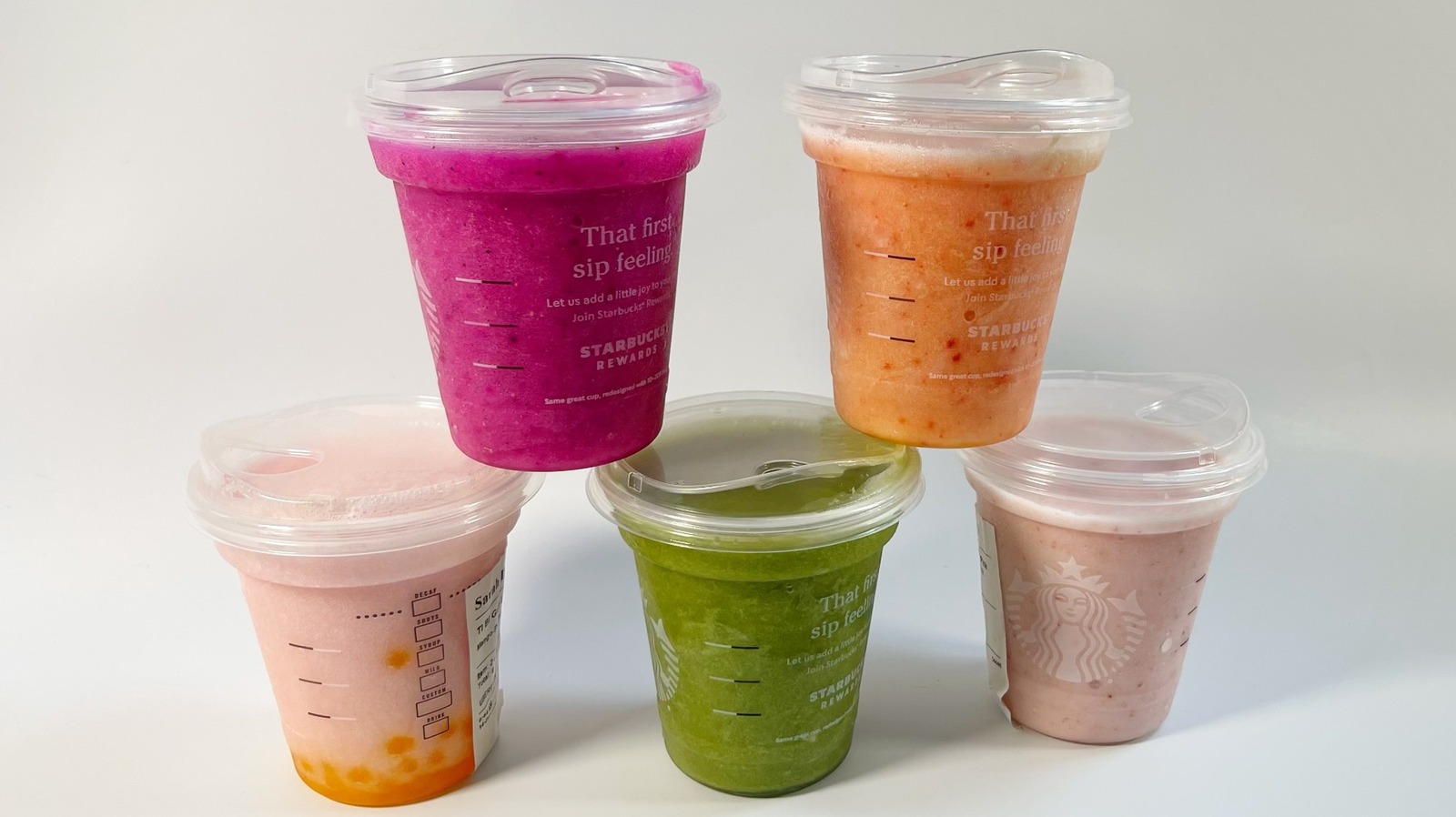
Starbucks launched two new blended summer drinks this season, and both deliver on flavor but stumble on execution. The Matcha Lemonade and Blended Energy Refreshers tap into nostalgia with their Slurpee-like texture, offering a departure from the coffee chain's typical cold brew offerings.
The Matcha Lemonade combines the earthy brightness of matcha with tart lemon juice and a smooth, icy base. The flavor balance works well, neither oversweetening the matcha nor making the drink aggressively sour. Starbucks nails the silky texture that makes blended drinks so appealing during hot months.
The Blended Energy Refreshers follow a similar formula, delivering fruity refreshment in a frozen format. These drinks capitalize on the momentum of Starbucks' energy drink line, giving customers a chilled alternative that feels less like a heavy indulgence and more like a functional refreshment.
However, both drinks share a critical flaw. The blended format creates separation issues, particularly as temperatures rise. The drink divides into distinct layers, with thinner liquid pooling at the bottom while the thicker, icier portions concentrate at the top. This inconsistency means the first sip tastes different from the last, undermining what should be a uniform experience. Starbucks struggles to maintain proper emulsification throughout the drink's lifespan, a technical problem the chain has faced with other blended offerings.
The drinks cost more than comparable iced refreshers, pricing justified only if consistency holds. For customers sitting outside in summer heat, watching their drink separate defeats the purpose of paying premium prices for convenience.
Starbucks' blended refresher strategy has merit. Consumers crave textural variety, and frozen drinks capture market share during peak seasons. Yet the chain needs to solve its