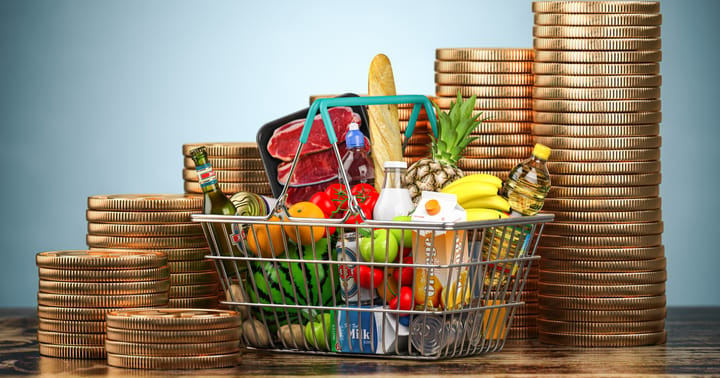
Restaurant menu prices decelerated in June as food costs finally began to retreat from months of relentless inflation. Federal data released this week shows the first meaningful slowdown in what has been a painful year for both operators and diners alike.
The cooling comes as commodity prices stabilize across key ingredients. Beef, chicken, and dairy products all saw modest declines, offering relief to kitchens that have absorbed steep increases since late 2021. Some restaurant groups already signal they may resist raising prices further, at least temporarily, as they wait to see whether the downward pressure on ingredients holds.
This matters enormously for restaurants operating on notoriously thin margins. Over the past 18 months, many establishments raised menu prices by 8 to 12 percent to offset surging food costs. Independent operators and regional chains felt the squeeze hardest, lacking the purchasing power of massive chains. Some closed. Others cut portions or removed dishes entirely.
The data suggests a turning point, though cautiously. Food service inflation remains elevated compared to pre-pandemic levels. Wages continue climbing as restaurants compete for staff. Labor costs, not food costs, now dominate operator concerns in many segments.
Consumers may see some relief soon. Fast-casual chains and fine dining establishments already report softer sales as guests resist higher prices. The competitive landscape could push some operators to roll back increases or hold the line on future hikes. Others will wait for stronger demand signals before cutting prices, a psychological barrier many businesses struggle to overcome.
The timing proves crucial heading into the second half of the year, when restaurants typically see busier traffic through fall and the holiday season. Whether food cost stability persists depends largely on agricultural yields and energy prices in coming months.