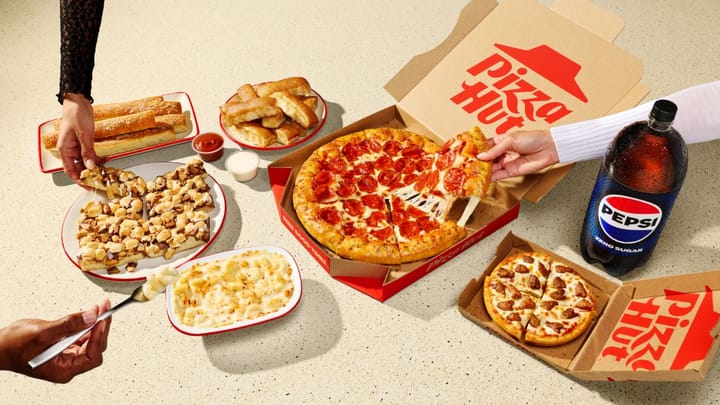
Pizza Hut is betting on nostalgia to drive traffic and sales. The chain has launched a "Throwback Value Menu" featuring beloved items from its past, paired with a limited-edition streetwear collection that taps into brand loyalty and collectible culture.
This dual approach targets two audiences simultaneously. Customers seeking affordable meals get access to pricing and dishes that evoke memories of Pizza Hut's glory days. Simultaneously, the fashion collaboration positions the brand as culturally relevant to younger consumers who view vintage logos and retro branding as status symbols.
The strategy reflects broader trends in quick-service restaurants. As inflation pressures consumers, value menus become essential for traffic. Yet Pizza Hut recognizes that price alone won't differentiate it from competitors. By wrapping the menu in nostalgia and launching limited-edition merchandise, the chain creates scarcity and emotional connection. The streetwear capsule, in particular, extends the brand beyond the dining experience into lifestyle territory. Limited editions drive urgency. Collectors seek them out. Social media amplifies visibility.
Pizza Hut faces intense competition from Domino's, which has modernized its operations through technology, and from regional chains that have captured market share with premium ingredients and localized menus. Nostalgia offers a counterweight. It costs less to execute than major menu innovation. It leverages existing brand equity. And it speaks directly to customers aged 30 and older who grew up eating Pizza Hut's pan pizzas and dipping sauces.
The timing matters. Post-pandemic consumer behavior remains price-sensitive, yet discretionary spending on limited-edition items and branded merchandise persists. The chain capitalizes on this tension. A customer buying a discounted personal pan pizza might also purchase a hoodie or tee from the capsule collection, increasing overall transaction value.
Whether this campaign sustains long-