# How Global Perspectives Shape Restaurant Culture and Guest Experience
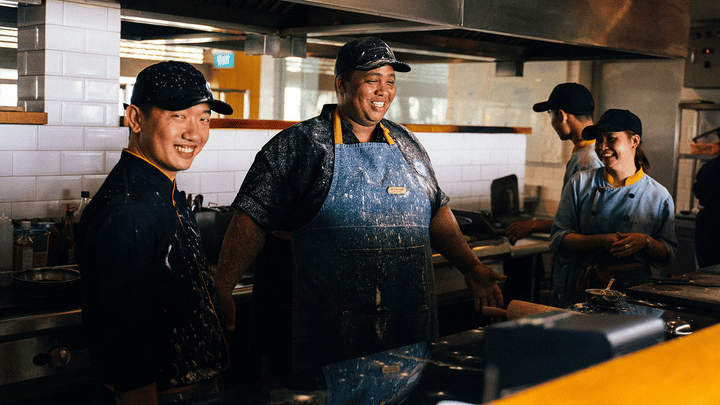
Restaurant leaders increasingly recognize that their teams' diverse backgrounds directly shape how guests experience dining. The culture built within a kitchen or dining room reflects the worldviews, traditions, and values staff bring from their own communities.
This principle extends beyond tokenism. When chefs and managers actively incorporate global perspectives into their operations, they build stronger teams and deliver more authentic hospitality. A kitchen where multiple cuisines coexist naturally produces more innovative menus. A front-of-house team with multilingual staff and cross-cultural awareness handles diverse guests with genuine understanding rather than scripted politeness.
The connection works both ways. An organization's internal culture directly influences external service quality. If leadership values the cultural backgrounds of their team members, that respect translates into how staff treat guests. If management dismisses or ignores these perspectives, that indifference becomes palpable to diners.
Successful restaurants treat cultural diversity as operational infrastructure, not decoration. This means hiring practices that attract talent from varied backgrounds, training that acknowledges different communication styles, and menus developed with authentic input from chefs with those cuisines in their heritage. It requires leadership willing to learn from team members rather than dictate how things should work.
The hospitality industry particularly benefits from this approach. Restaurants operate at the intersection of culture and commerce. The dishes served carry history. The people serving them carry their own stories. When both align intentionally, guests feel it. They experience not just food, but genuine connection.
For restaurant operators, the message is clear. Building a team culture that honors global perspectives isn't corporate philosophy. It's practical business strategy that strengthens operations, improves retention, and creates the kind of dining experiences guests remember and return for.