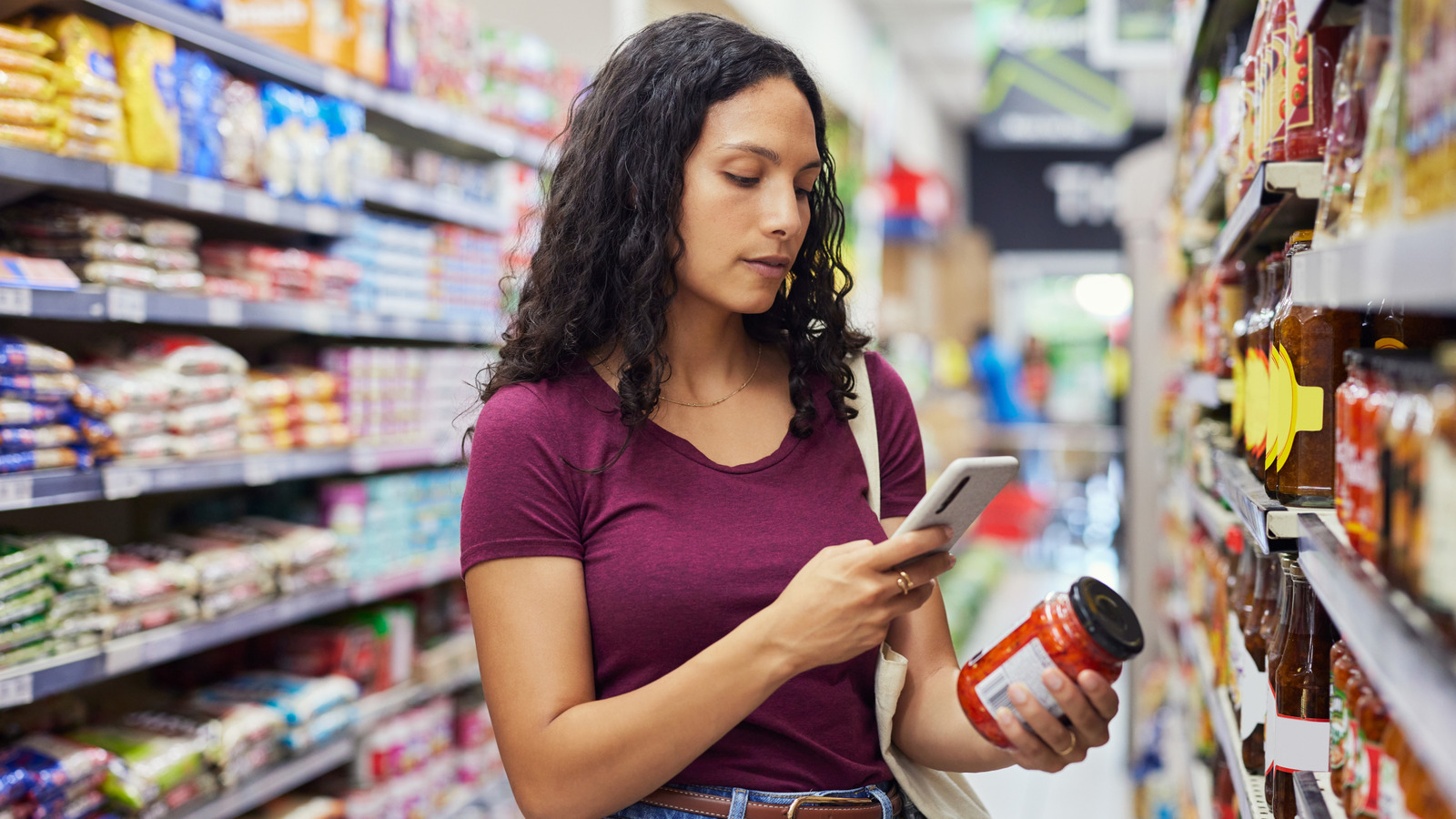
Grocery shopping now drains wallets faster than ever as food inflation continues squeezing household budgets. Tracking spending has become essential for families trying to maintain their food costs, and a new generation of apps offers real solutions to the problem.
Nine grocery budgeting applications help shoppers plan meals, compare prices, and eliminate waste. These tools address the core challenge facing consumers: food prices have risen sharply, making strategic shopping a necessity rather than a luxury. Apps range from simple expense trackers to sophisticated meal planners that suggest recipes based on available ingredients and current sales.
The best budgeting apps integrate with store loyalty programs, alerting users to personalized discounts before they shop. Some apps scan receipts and categorize spending by product type, revealing patterns in household food purchases. Others focus on meal planning, allowing families to build weekly menus before entering stores, which cuts impulse buying and food waste. A few standout applications let shoppers input their desired weekly budget and receive recipes that fit within that constraint.
The shift toward app-based budget management reflects broader changes in how people approach grocery shopping. Rather than clipping coupons or browsing store circulars, digitally native shoppers prefer consolidated platforms that provide real-time price comparisons and personalized savings. This data-driven approach turns grocery shopping from an emotional, habit-driven activity into a strategic financial decision.
For restaurants and food businesses, the rise of budget-conscious consumers signals a shift toward value-focused dining and retail experiences. Home cooking gains appeal when apps make meal planning simple and affordable. The apps ultimately serve a practical function: helping households navigate sustained food inflation without sacrificing nutrition or variety.