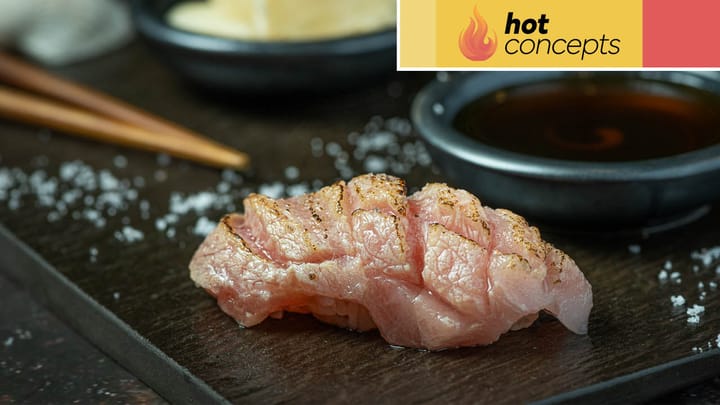
Sushi by Bou tackles the omakase paradox. The chef-counter experience, long gatekept by exclusivity and five-figure price tags, now arrives at prices ordinary diners can afford.
The restaurant finds its edge in real estate strategy. By claiming small, underutilized spaces rather than prime locations, Sushi by Bou strips away the overhead that inflates traditional omakase tabs. The model works. Customers taste sashimi-grade fish, skilled knife work, and the intimate drama of chef-to-diner service without the prestige markup.
Omakase, the Japanese practice of placing yourself in the chef's hands, has exploded in American cities over the past decade. The format sells narrative as much as food. You sit at a counter. The chef orchestrates each course, reading your reactions, adjusting spice and temperature and texture as the meal unfolds. It feels exclusive because it historically has been. Restaurants charging $200 to $300 per person cultivated scarcity.
Sushi by Bou inverts that math. The compact footprint means lower rent, lower labor costs, and leaner overhead. The restaurant passes savings to guests while maintaining the core experience that drives the trend. Customers still get the counter. They still get the chef's attention. The fish still arrives pristine.
This approach arrives at a cultural inflection point. Omakase has moved from niche pursuit to mainstream aspiration. Manhattan sees new omakase spots opening monthly. Los Angeles has become competitive ground. But demand exceeds access. The high-price model, which protected margins and mystique, also created bottlenecks. Reservations vanish within hours. Waiting lists stretch for months.
Sushi by Bou's model addresses real market friction. Not everyone can justify $250 for dinner. But