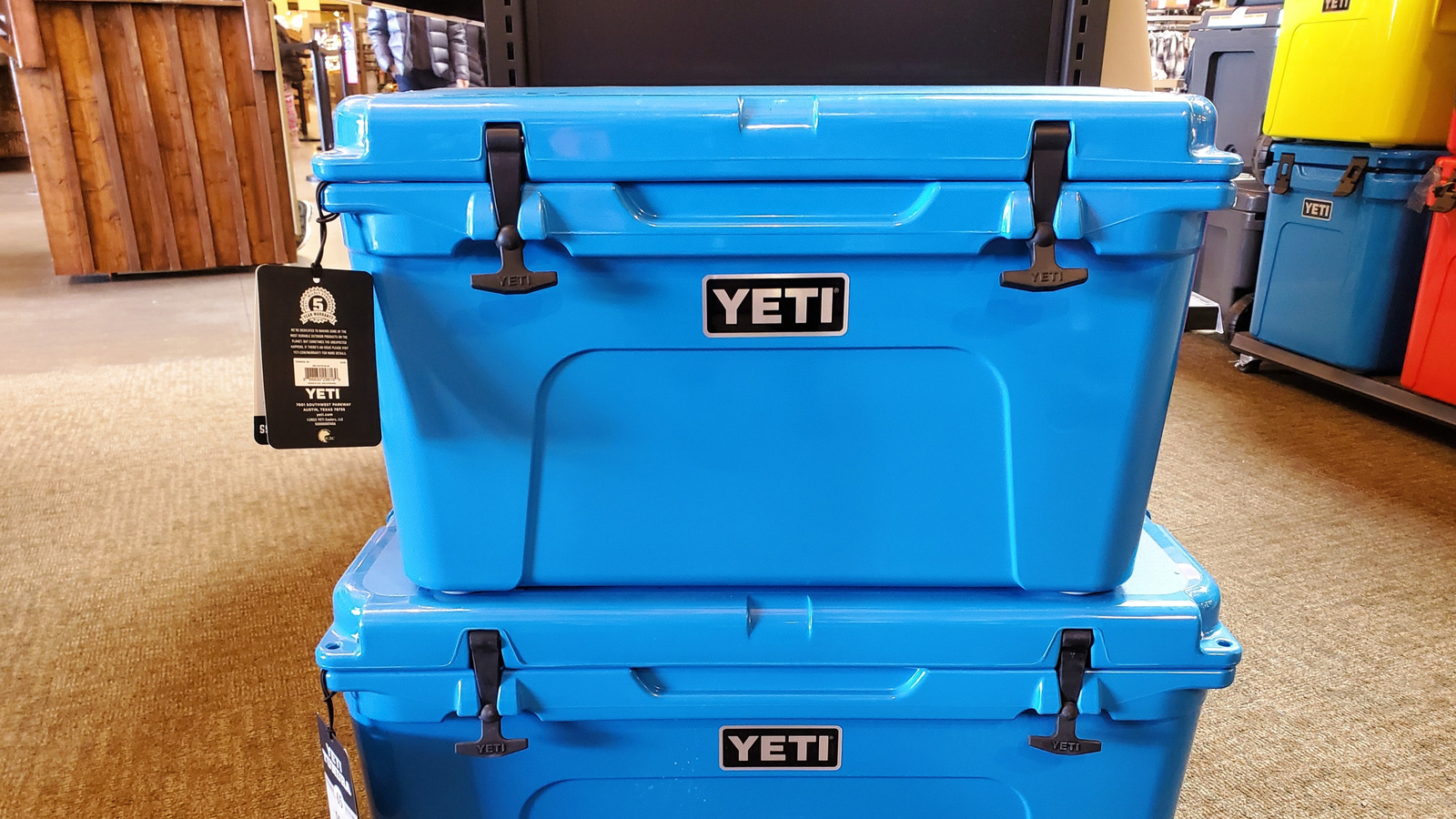
Yeti coolers command premium prices, often exceeding $300, which makes durability a legitimate concern for buyers considering the investment. The brand has built its reputation on producing heavy-duty coolers engineered to withstand harsh conditions, from fishing trips to camping expeditions and backyard entertaining.
Most Yeti coolers last between 5 to 10 years with proper care, though many users report their models functioning well beyond a decade. The longevity depends heavily on usage frequency and maintenance habits. Models like the Tundra and Roadie series, Yeti's most popular lines, feature rotomolded construction that resists cracks and impacts. The insulation typically remains effective throughout the cooler's lifespan, as the polyurethane foam core doesn't degrade significantly over time.
The hardware components often determine a cooler's practical lifespan. Hinges and latches experience the most wear and can require replacement after five to seven years of regular use. Yeti sells replacement parts separately, allowing owners to extend their coolers' usable life rather than discarding them. Drain plugs and seals may also need occasional replacement.
Storage conditions matter considerably. Coolers kept in direct sunlight or extreme heat deteriorate faster than those stored in shade or climate-controlled spaces. Regular cleaning prevents mold and mildew buildup, which can compromise performance and durability.
Yeti's warranty covers manufacturing defects for five years, providing some protection for early failures. After that period, the brand remains repairable, though out-of-warranty fixes fall on the owner.
For serious outdoor enthusiasts and professionals like fishing guides or camping outfitters, Yeti coolers often become multi-year workhorses. The initial investment pays off through reliability and performance retention. Weekend warriors may find similar models from competitors adequate for shorter lifespans