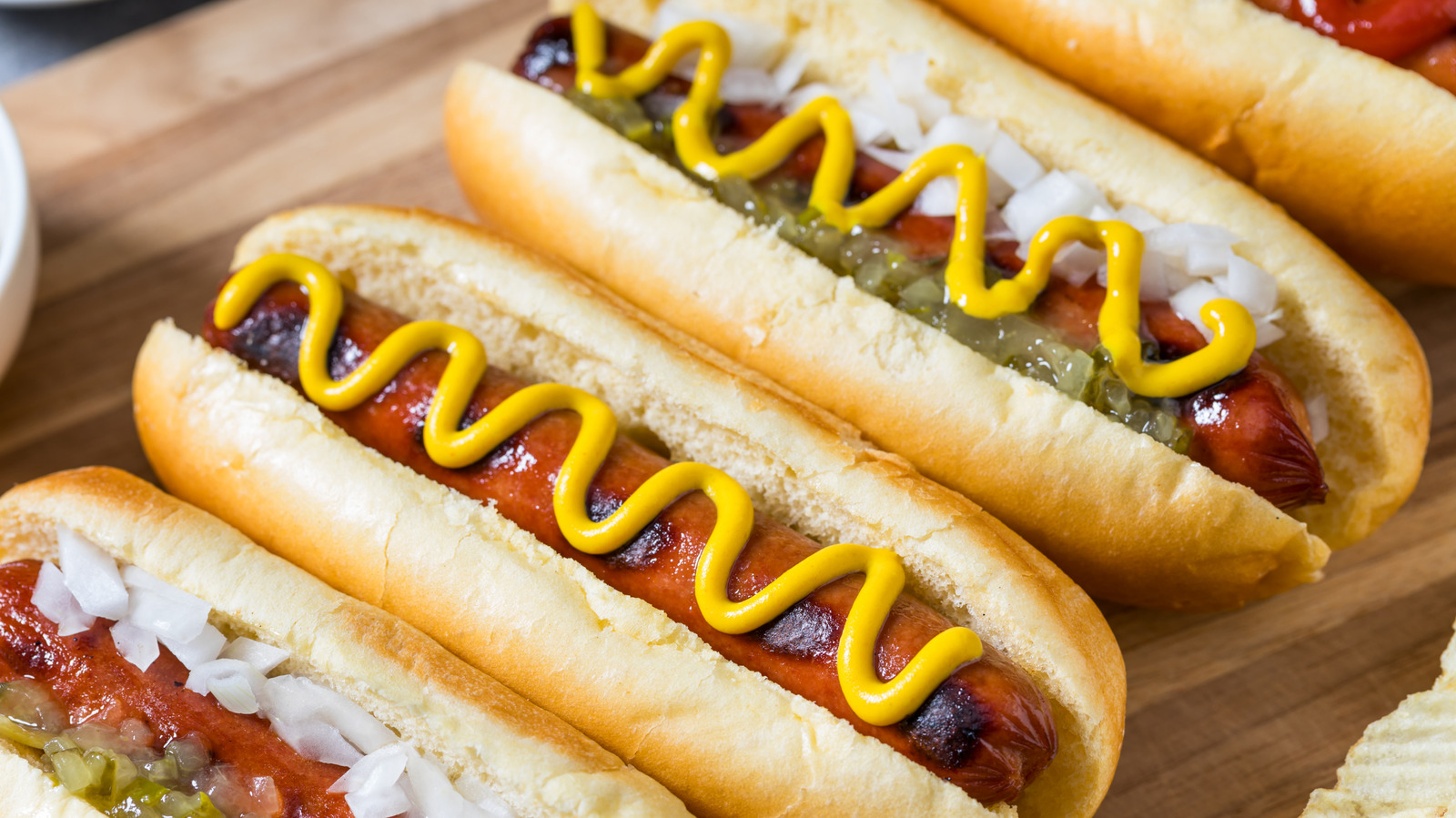
Cooking hot dogs in rendered fat transforms the humble frankfurter into something luxurious. Food Republic reports that searing hot dogs in specific fats creates multiple flavor layers without requiring a grill.
The technique leverages the Maillard reaction. When hot dogs hit hot fat, their exterior caramelizes while the interior stays juicy. This browning process generates complex flavors that boiling or steaming cannot achieve.
The fat choice matters enormously. Bacon fat, duck fat, or beef tallow work exceptionally well. Bacon fat imparts smoky, salty notes. Duck fat brings richness and depth. Beef tallow adds savory umami. These options beat neutral oils because they contribute their own taste profiles to the hot dog.
The method proves practical for home cooks. A cast-iron skillet or heavy-bottomed pan does the job. Heat the fat until it shimmers, then place room-temperature hot dogs into the pan. Let them sit for two to three minutes per side. They'll develop a mahogany crust while staying tender inside.
This approach solves a real problem. Grilling hot dogs demands outdoor space and equipment. Pan-searing works year-round in any kitchen. The rendered fat also keeps, so cooks can save bacon grease or rendered duck fat specifically for this purpose.
Home cooks have discovered this isn't trendy or complicated. It's fundamental cooking technique applied to an everyday food. The fat acts as a heat conductor and flavor vehicle simultaneously. Nothing fancy required.
Topping matters too. The caramelized exterior holds condiments better than boiled or steamed versions. Mustard, relish, and onions adhere properly. The crispy outside creates textural contrast that elevates the entire eating experience.
This method represents practical food knowledge spreading beyond restaurant kitchens. When executed properly,