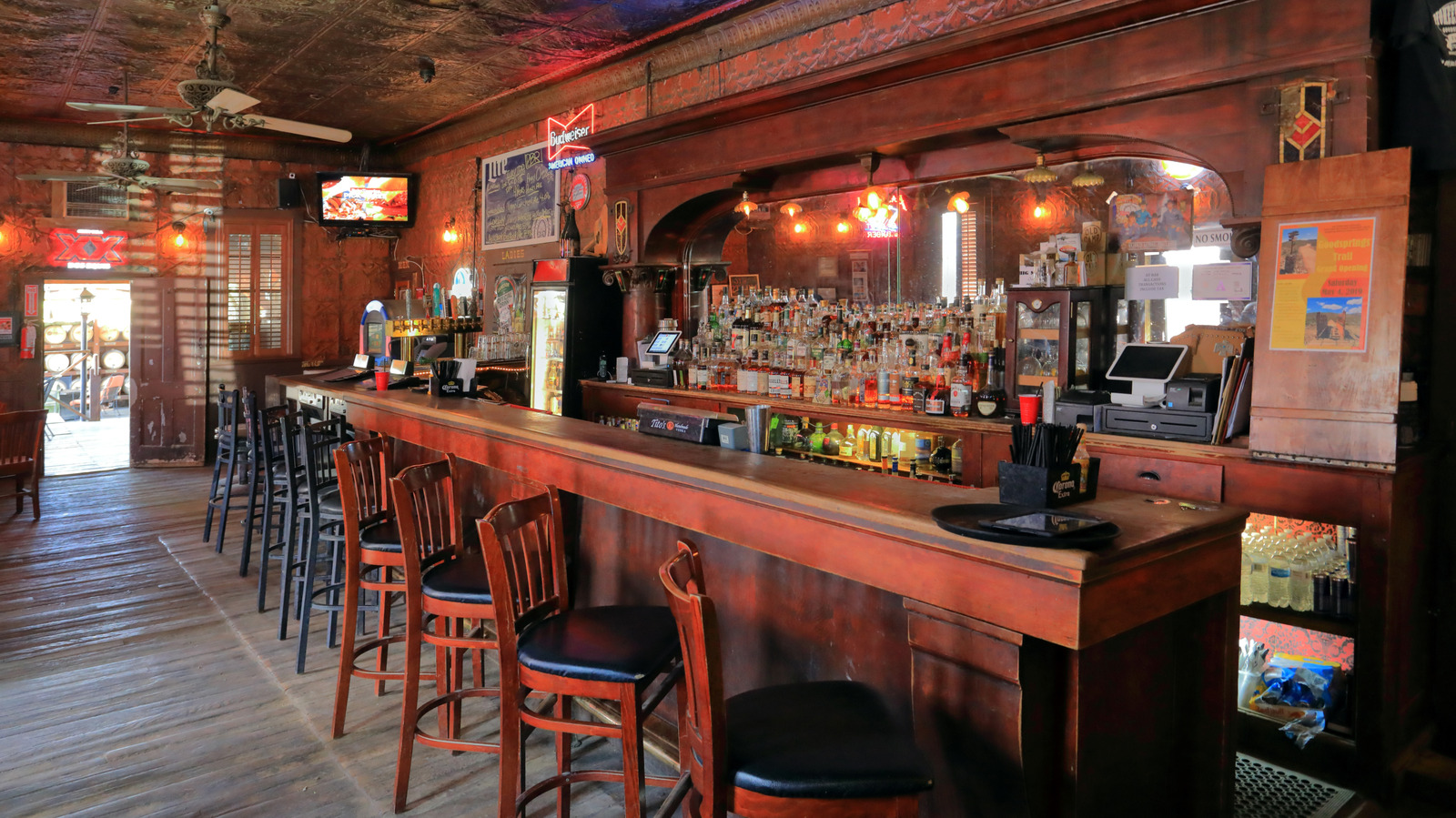
Frontier saloons served beer that bore little resemblance to modern craft IPAs or lagers. The settlers and cowboys who bellied up to Old West bars drank warm, cloudy, and often sour ales that spoiled quickly without refrigeration.
Brewers in the 1800s lacked temperature control and pasteurization. Beer fermented at ambient temperatures, sometimes reaching 70 degrees Fahrenheit or higher. This produced ales heavy with esters and phenolics, creating fruity and spicy notes that modern drinkers might find off-putting. Saloon keepers stored barrels at room temperature, allowing bacteria to multiply and vinegar notes to develop. Patrons accepted this degradation as normal.
Hops played a different role then. Brewers added massive quantities of hops to these rustic ales not for the aromatic bitterness prized today, but as a preservative. High-alpha acids resisted spoilage during long transport by wagon and ship. English-style pale ales and porters dominated, though quality varied wildly depending on local water conditions and brewer competence.
Water shaped frontier brewing profoundly. Hard mineral-rich water suited some styles while ruining others. Breweries in towns with poor water often produced thin, unbalanced beers. Some saloon owners cut costs by watering down their stock, diluting strength and flavor further.
The saloon experience itself differed from modern bars. Beer came in shared pitchers or glasses that staff rinsed hastily between patrons, spreading illness readily. Prices ran cheap, making beer the working man's fuel rather than a luxury. Whiskey and rotgut spirits occupied the premium shelf.
When refrigeration arrived in the late 1800s, brewing transformed. Ice houses and mechanical cooling allowed lager fermentation at cold temperatures. Pasteurization stopped the