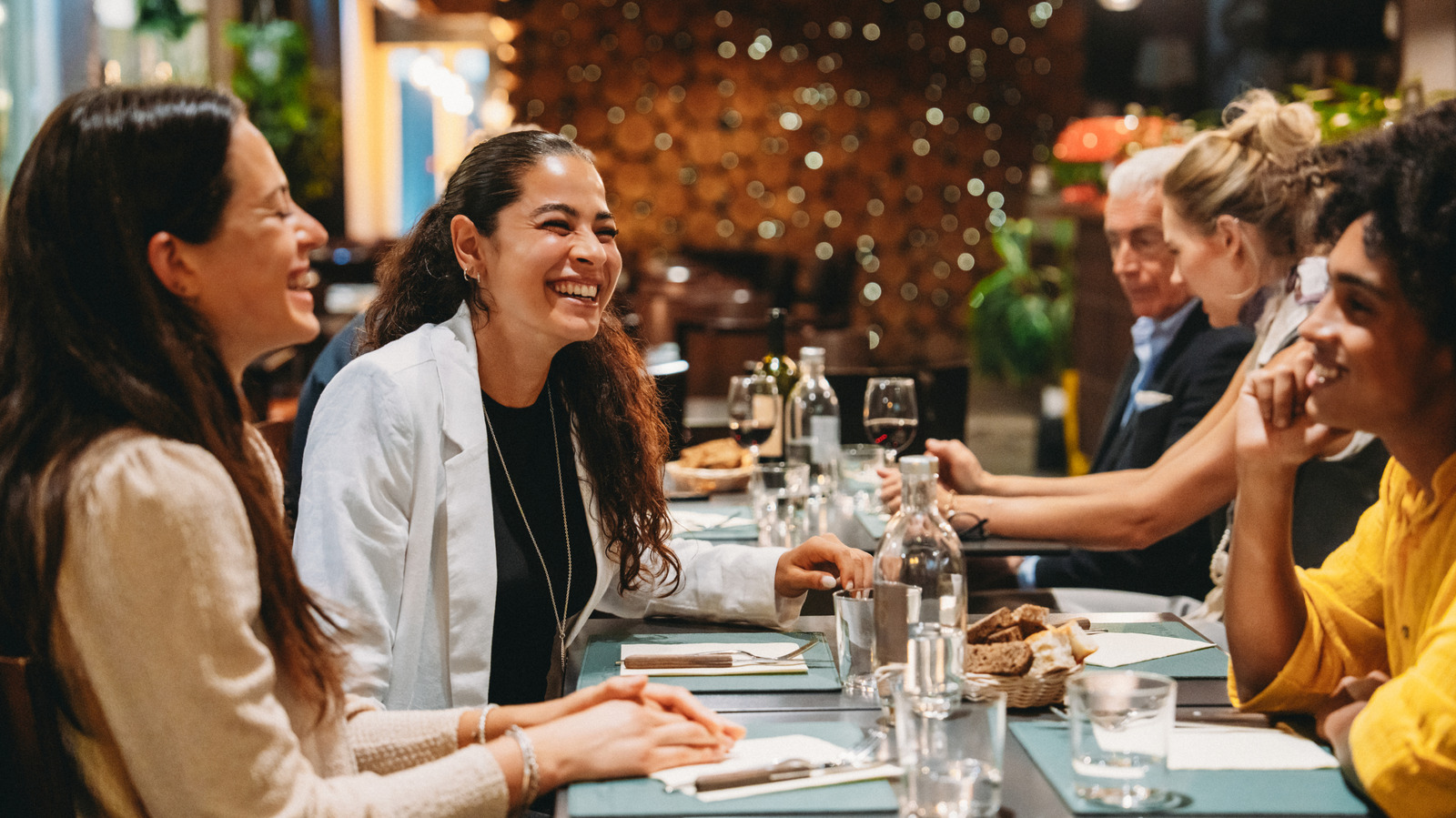
Restaurants operate on thin margins, but beverage programs offer a path to outsized profits. Beverages, particularly alcoholic drinks, carry markups that dwarf those on food.
Wine represents the most aggressive markup category. A bottle purchased for $5 wholesale might sell for $50 to $80 on a restaurant menu. That's a 900 to 1500 percent increase. Spirits follow similar patterns. A $15 bottle of vodka becomes a $60 cocktail. Beer markups sit lower but still substantial, typically 300 to 500 percent.
This pricing strategy reflects how restaurants structure their economics. Food costs consume 25 to 35 percent of revenue at successful establishments. Labor, rent, and utilities demand another 30 to 40 percent. That leaves little room for profit. Beverages flip the equation. The cost of goods sold on a cocktail might be $2 to $3, while the selling price hits $12 to $16. This 400 percent markup feels modest next to wine pricing, but it drives profitability.
Restaurants justify these markups through service, ambiance, and expertise. Sommelier knowledge, wine list curation, and proper glassware add value. Skilled bartenders command premium pricing through technique and presentation. The beverage program becomes part of the dining experience, not merely a profit center.
Market dynamics reinforce these markups. Customers expect to pay more in restaurants than retail. Few diners compare a $60 wine list price to the $20 grocery store equivalent. The captive audience model works. Seated diners cannot easily leave to purchase drinks elsewhere.
Premium restaurants push markups further. High-end establishments mark wine at 4 to 5 times the wholesale cost. Exclusive labels and rare bottles command even steeper premiums. Casual chains use