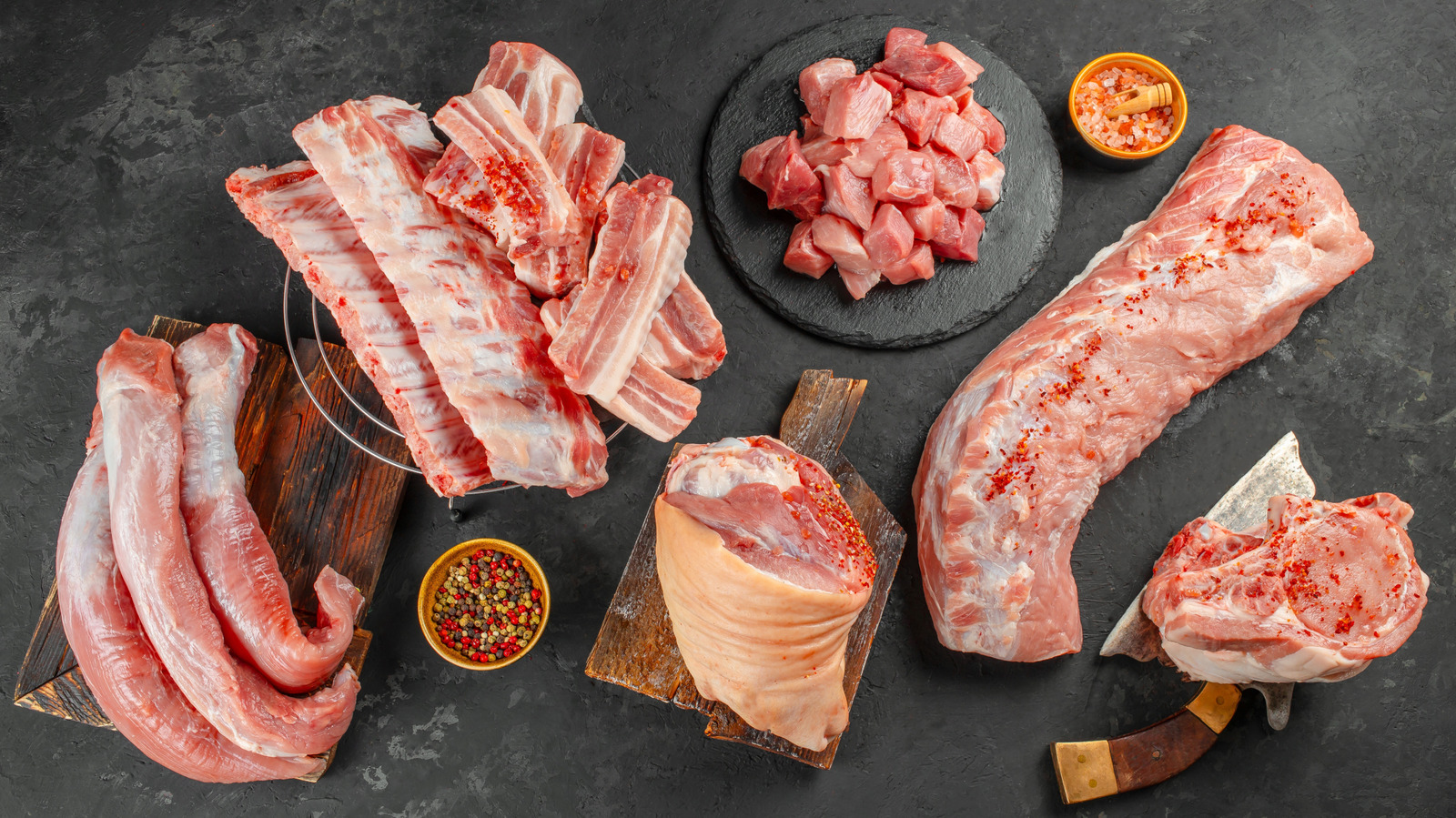
A single pig yields roughly 100 to 150 pounds of retail meat, depending on the animal's size and breed at slaughter. Most market pigs weigh between 250 and 280 pounds when they reach processing facilities. The actual meat output represents about 35 to 40 percent of the live weight, a figure known as the carcass yield.
The breakdown follows a precise pattern. After slaughter and processing, butchers portion the carcass into primal cuts: the shoulder, loin, belly, and leg. From the shoulder come Boston butts and picnic roasts. The loin yields chops, tenderloin, and backstrap. The belly transforms into bacon, one of the most profitable cuts. The leg produces ham and additional roasts. Offal, bones, and trimmings become sausage, stock, and pet food.
Several factors affect final meat yield. Heritage breed pigs often carry more fat and produce different ratios than modern commodity breeds like Duroc or Berkshire crosses. Processing method matters too. A butcher might leave more fat on cuts than a industrial facility, affecting the final number.
Understanding meat yield connects directly to grocery store pricing and restaurant economics. Restaurants calculate per-pound costs against the carcass yield when setting menu prices. Butcher shops that break whole animals can recoup costs through multiple revenue streams. The premium for whole animal butchery comes partly from maximizing every cut's value.
From farm to table, one pig represents a substantial but finite resource. A typical 270-pound pig provides roughly 120 pounds of retail cuts sold as steaks, chops, and roasts. Another 30 pounds become sausage and ground pork. The remaining weight converts to bones for stock, organs for specialty dishes, and skin for various applications.
This complete utilization shapes how professional kitch