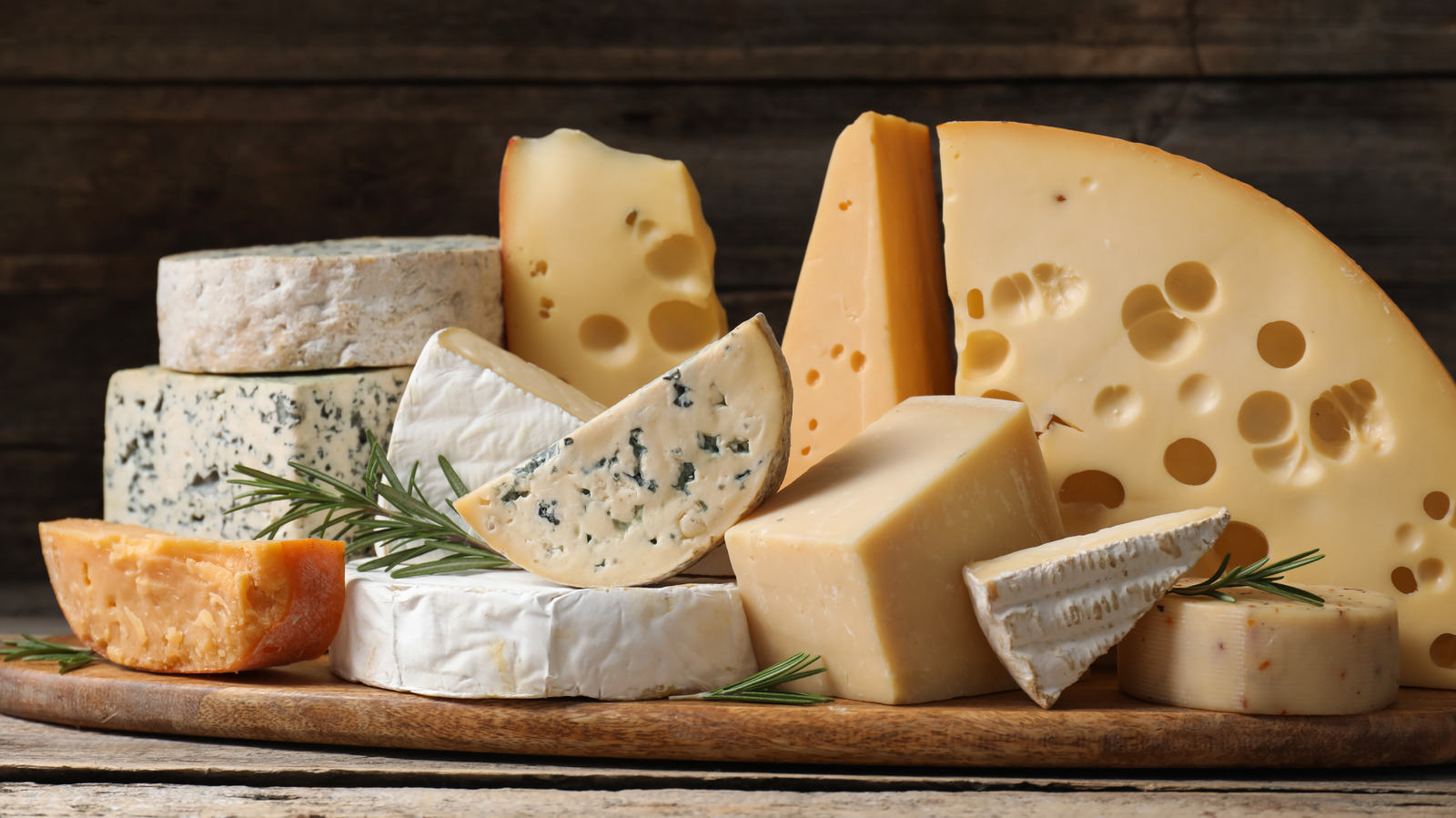
Aldi built its reputation on rock-bottom prices, yet the budget grocer faces unexpected competition in the cheese aisle. While Aldi dominates most grocery categories, Trader Joe's occasionally undercuts its prices on specific cheeses, creating a puzzle for budget-conscious shoppers.
The comparison hinges on product selection and quality tiers. Aldi stocks private-label cheeses at aggressive prices, particularly its SimplyNature and Specially Selected lines. These products target the value-conscious buyer willing to trade brand recognition for savings. Trader Joe's, conversely, curates a narrower selection focused on distinctive varieties and imported options that often carry premium positioning.
The real story emerges when examining specific products. Standard cheddar and mozzarella typically favor Aldi's pricing structure. However, Trader Joe's competitive advantage appears with specialty cheeses like aged Gouda, flavored blocks, and imported varieties where bulk sourcing and private-label production create better unit economics. A comparison of equivalent products shows price disparities vary by category rather than chain dominance.
Shopping strategy matters. Aldi shoppers benefit from consistently low baseline prices across commodity cheeses but face limited selection. Trader Joe's shoppers navigate higher average prices but encounter periodic deals on specialty items that compete directly with Aldi's best offers. Neither chain maintains absolute supremacy across the entire cheese department.
The practical approach involves category-specific shopping. Buy everyday cheddar and basics at Aldi to maximize savings. Reserve Trader Joe's visits for specialty cheeses where their curated selection and occasional pricing competitiveness justify a separate trip. Many shoppers find that splitting purchases between both stores yields better overall value than loyalty to either chain.
Cheese pricing reveals how grocery competition extends beyond headline price comparisons. Success requires understanding each store's strengths and shopping accordingly, rather than assuming one chain outperforms the