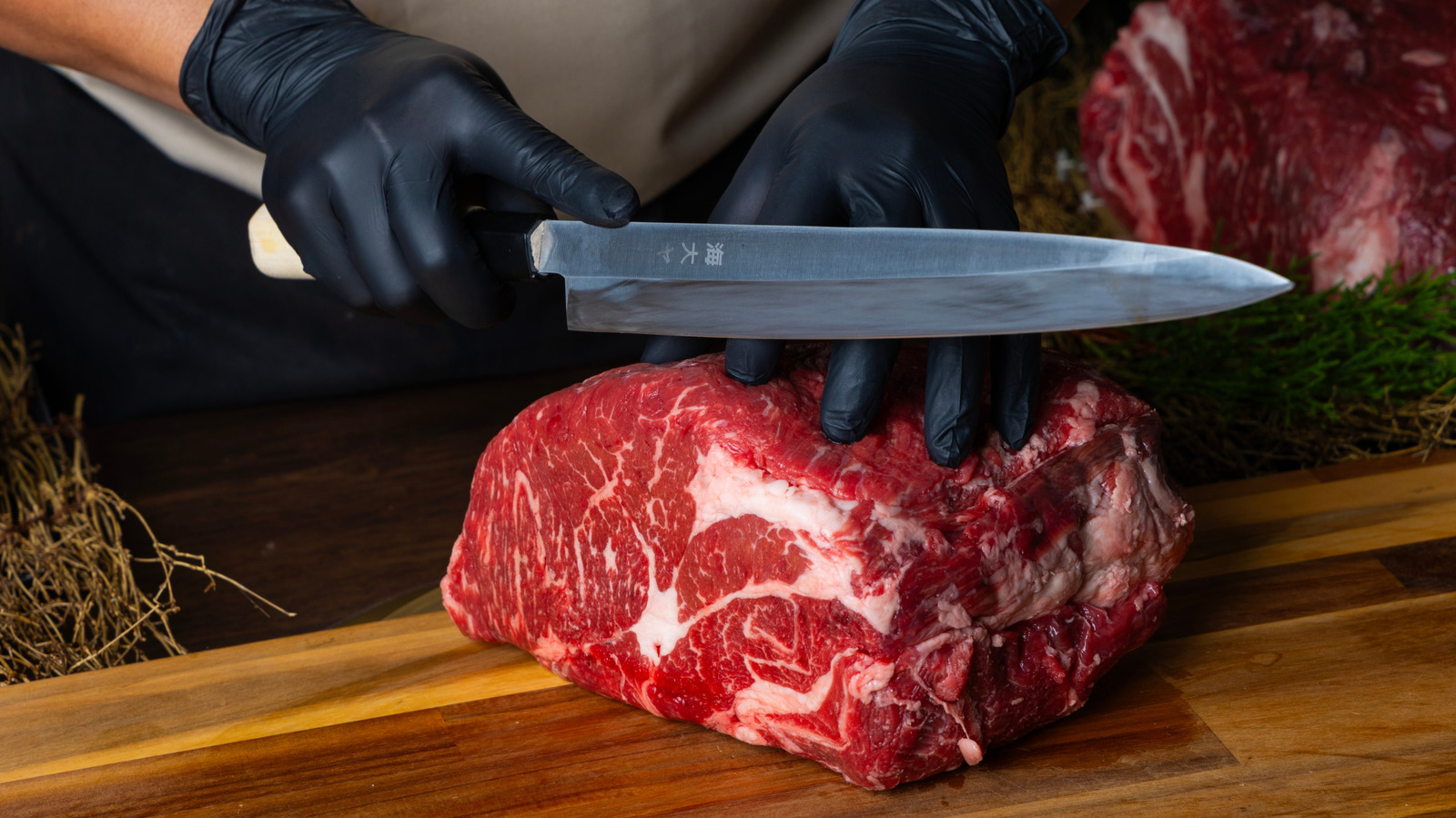
Beef and veal occupy different worlds on the butcher's counter, despite their surface similarities. The key distinction lies in age. Veal comes from calves slaughtered between three weeks and three months old, while beef comes from cattle at least two years old. This fundamental difference shapes everything that follows.
The flavor profiles diverge sharply. Veal delivers a delicate, mild taste with subtle sweetness. Beef offers robust, deeply savory notes that intensify with age and marbling. Veal's pale pink color signals lower myoglobin content, the protein that gives meat its red hue and iron-forward flavor. Beef's darker shade reflects higher myoglobin levels accumulated over years of the animal's life.
Texture tells another story. Veal's meat is tender and fine-grained due to the calf's young musculature. Beef develops denser, more pronounced muscle fibers that require different cooking approaches. A veal chop benefits from quick, high-heat searing that locks in juices without toughening the delicate flesh. Beef brisket demands low-and-slow braising to break down connective tissue and develop complex flavors.
Culinary traditions reflect these differences. Italian cuisine celebrates veal in osso buco, where braised shanks release gelatin into a silky sauce. French cooking relies on veal for blanquettes and fricassees, dishes built on veal's ability to absorb delicate cream sauces without overpowering them. Beef anchors steak houses and American cookouts, where intensity and char are desired.
The cooking methods align with meat science. Veal's lower fat content and tender structure mean it cooks quickly and can dry out easily. Beef's marbling and developed muscle benefit from longer cooking times that render fat and break down collagen into