# New on the Menu: Morels and Creole Tomatoes
Spring ingredients are reshaping menus across America's dining scene. Morels and Creole tomatoes represent the seasonal pivot chefs execute each year, but this cycle reflects a heightened focus on regional sourcing and ingredient-driven cooking.
Morels signal the mushroom season. These honeycomb-textured fungi command premium prices because they grow wild and resist cultivation. Chefs prize them for their earthy, nutty flavor and delicate texture. They work equally well in a simple brown butter sauce or as a showpiece in fine dining tasting menus. The morel season runs short, typically from April through June, which creates urgency in restaurant kitchens to feature them before supplies vanish.
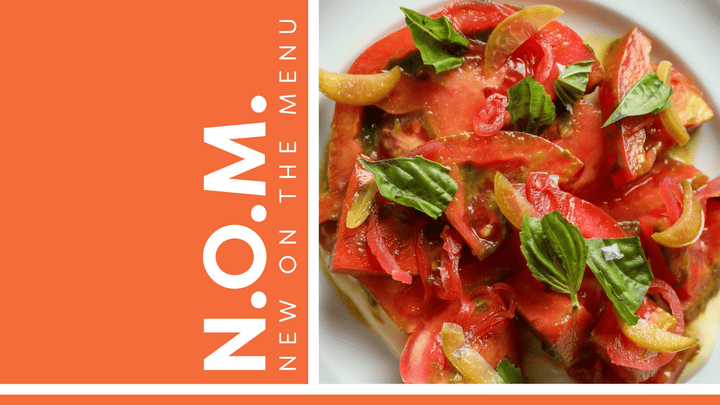
Creole tomatoes carry geographic and cultural weight. These heirloom varieties thrive in Louisiana's humid climate and represent a point of pride in New Orleans' culinary identity. Unlike the watery supermarket tomatoes available year-round, Creoles deliver concentrated flavor and meaty texture. Their appearance on menus signals a chef's commitment to regional authenticity and local agriculture.
The cocktail side embraces pistachio-washed bourbon, a technique that infuses the spirit with nutty, slightly sweet notes. Washing spirits involves fat infusion, where bourbon absorbs pistachio oils before the fat is removed through freezing and filtration. This produces a silky mouthfeel and subtle flavor layer that complements spring's lighter fare.
These menu additions reflect broader restaurant economics. Chefs leverage seasonal peaks to command premium pricing while ingredients cost less and taste better. Diners increasingly expect restaurants to honor seasonal rhythms. The spring rotation builds anticipation and justifies return visits.
What started as chef ideology—cooking what the land provides—has become standard hospitality practice. Mo