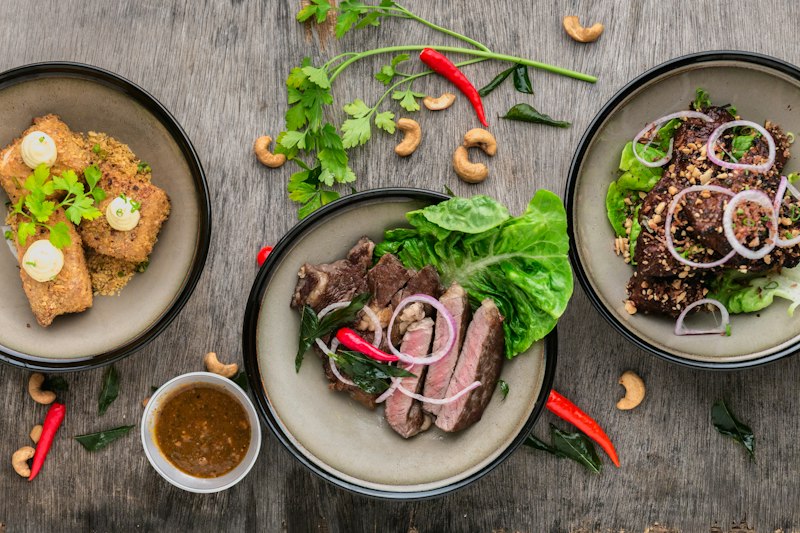
A rancher is pushing home cooks toward hanger steak as a superior alternative to ribeye, arguing the cut delivers better flavor for less money.
Hanger steak comes from the diaphragm muscle of the cow, a part that sees consistent movement but remains relatively tender. The muscle's unique structure creates deep marbling patterns that rival premium cuts while costing substantially less per pound. Ranchers prize it for its rich, beefy taste, which intensifies because the meat hasn't been over-processed by commercial trimming.
The cut gained popularity in high-end restaurants during the 1990s when chefs recognized its potential. Butchers once discarded hanger steak or reserved it for staff meals. Now restaurants charge premium prices for the same muscle that home cooks can source affordably.
Preparation matters. Hanger steak performs best when seared quickly in a hot pan, developing a crust while the interior stays medium-rare. Overcooking renders it tough. The meat's grain runs perpendicular to most steaks, requiring slicing against the grain to break up muscle fibers and maximize tenderness.
A rancher's endorsement carries weight because these producers understand cattle from birth through butchering. When they redirect customers away from ribeye, they're identifying where consumer dollars stretch furthest. Ribeye commands premium pricing partly due to brand recognition and consistent texture. Hanger steak offers comparable satisfaction at a lower threshold.
This shift reflects changing attitudes about beef consumption. Rather than chasing the most expensive cut, savvy eaters now seek undervalued muscles with genuine culinary merit. Hanger steak fits this pattern alongside skirt steak and bavette, cuts that offer complexity without luxury pricing.
For weeknight dinners or casual entertaining, hanger steak delivers restaurant-quality results at grocery store prices. The rancher's recommendation suggests