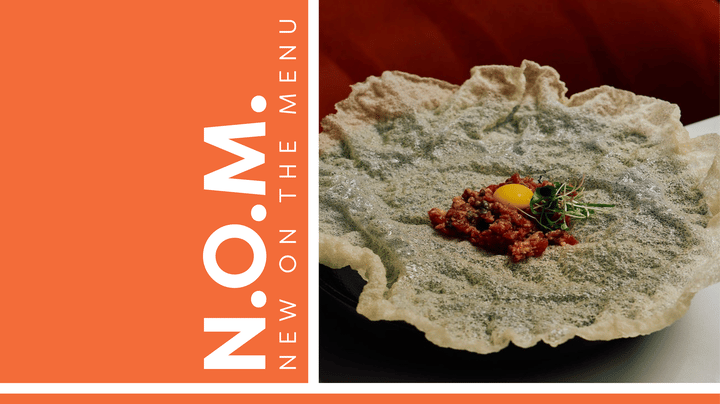
Japanese restaurants across the country are embracing raw beef preparations that challenge traditional Western steak tartare. These dishes arrive as chefs experiment with Japanese techniques, spicing, and plating to reimagine the classic.
The movement extends beyond tartare. Chefs are launching multiple tuna preparations, ranging from seared to cured, reflecting Japan's obsession with the fish across temperature and texture spectrums. This dual approach lets diners experience the same protein in contrasting forms within a single meal.
Calvados cocktails have emerged as the unexpected pairing for these raw dishes. The French apple brandy's subtle sweetness and oak notes cut through the richness of raw beef and fish, offering a sophisticated alternative to wine pairings. Bartenders are crafting house-made versions, aging them in barrel and infusing them with Japanese botanicals like yuzu and shiso.
Chinese restaurants are taking cues from Mexican cooking traditions. Birria tacos, the slow-braised beef preparation from Jalisco, now appear with Chinese five-spice marinades and served with ginger-scallion broth instead of traditional consomé. The filling uses techniques borrowed from Hong Kong's braised meat preparations, creating a hybrid that respects both culinary traditions.
These menu additions reflect a broader restaurant trend: culinary crossover that honors source traditions while creating something entirely new. Rather than fusion for fusion's sake, these dishes rely on technique-sharing between cuisines that value precision, umami, and ingredient quality.
The shift also addresses diner expectations. Adventurous eaters now expect restaurants to push boundaries while maintaining technique. Japanese steak tartare made with fish sauce, ginger, and sesame oil differs fundamentally from its Parisian ancestor, yet carries equal weight on the plate.
Restaurants adding these items report strong order rates, particularly among diners aged 25