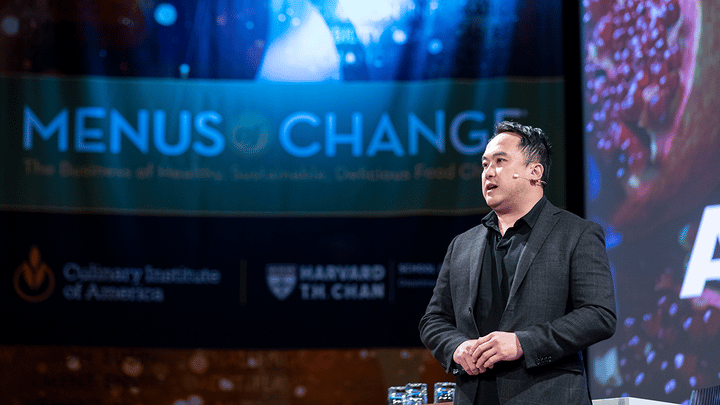
Futurist Mike Lee sketches a foodservice landscape transformed by automation, consumer behavior shifts, and labor pressures over the next decade.
Lee forecasts that restaurants will adopt kitchen automation at accelerating rates. Robotic stations handling prep work, plating, and cooking tasks will become standard in mid-to-high-volume operations. Labor shortages and wage pressures drive this shift. Kitchens will operate with smaller crews working alongside machines, fundamentally altering how chefs design menus and train staff.
Ghost kitchens and delivery-focused models will mature beyond novelty status. Third-party aggregators will consolidate market share, squeezing independent operators on margins and visibility. Successful restaurants will develop omnichannel strategies, balancing dine-in, takeout, and delivery operations simultaneously.
Consumer preferences will fragment further. Lee identifies rising demand for personalized dining experiences driven by data collection and AI recommendations. Restaurants capturing detailed customer information through apps and loyalty programs will optimize menus and pricing dynamically. Mass-market one-size-fits-all service models lose relevance.
Sustainability becomes competitive necessity rather than marketing angle. Supply chain transparency will matter more as diners demand proof of ethical sourcing. Restaurants managing waste reduction, local sourcing, and carbon footprint tracking will attract premium customers willing to pay margins that offset higher operating costs.
The fine-dining sector stabilizes at smaller scale, serving affluent consumers seeking human-centric experiences that machines cannot replicate. Mid-market casual dining continues shrinking as QSR brands and independent concepts capture market share. Experiential dining, where theater and craft matter as much as food, creates profitable pockets.
Labor economics reshape kitchen culture. Apprenticeship programs expand as restaurants compete for skilled workers. Compensation improves in high-volume settings, though independent operators struggle with viability. Remote ordering systems and stream