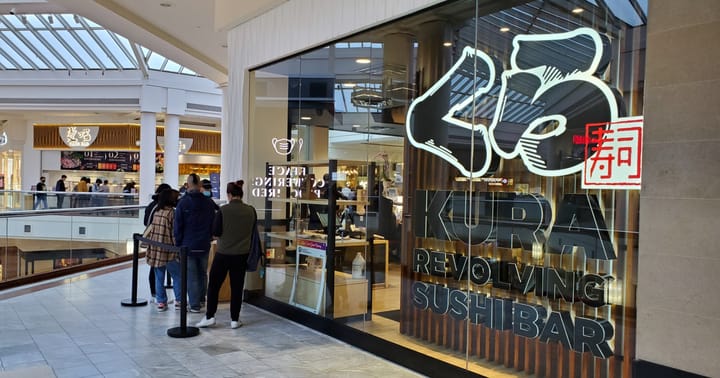
Kura Sushi, the Japanese conveyor belt sushi chain, is facing headwinds that extend far beyond its kitchen. Rising gas prices and the FIFA World Cup are diverting customers away from its locations, forcing the company to lower earnings expectations for the year.
The Sacramento-based chain operates over 60 restaurants across the United States, each serving quick-service sushi via automated conveyor belts. This model depends on consistent foot traffic. When gas prices spike, customers reduce discretionary dining trips. When the World Cup commands attention, particularly during peak evening hours when restaurants typically draw crowds, traffic drops measurably.
Construction delays compound the problem. Kura Sushi continues expanding its footprint, but delayed openings mean delayed revenue streams from new locations. The chain cannot absorb these timing setbacks without feeling pressure on quarterly results.
The company's revised guidance signals that labor-intensive restaurant operations remain vulnerable to macro conditions beyond management control. Gas prices affect consumer disposable income directly. The World Cup, a once-every-four-years phenomenon, creates temporary but measurable diversions from normal dining patterns, particularly in markets with strong soccer followings.
Kura Sushi built its business model on operational efficiency and predictability. Conveyor belt service reduces labor costs, and the casual dining format targets both families and date-night crowds. Yet efficiency means little when customers simply stay home or choose cheaper alternatives during economic friction.
The situation reflects broader challenges facing casual dining chains in 2022 and 2023. Rising costs squeeze margins while external events fragment customer attention. Kura Sushi's transparency about its outlook acknowledges these realities. Other chains facing similar pressures have often obscured guidance changes behind vague language.
The company's response will matter. Some chains respond to traffic declines by accelerating unit growth to offset per-location weakness. Others cut costs aggress