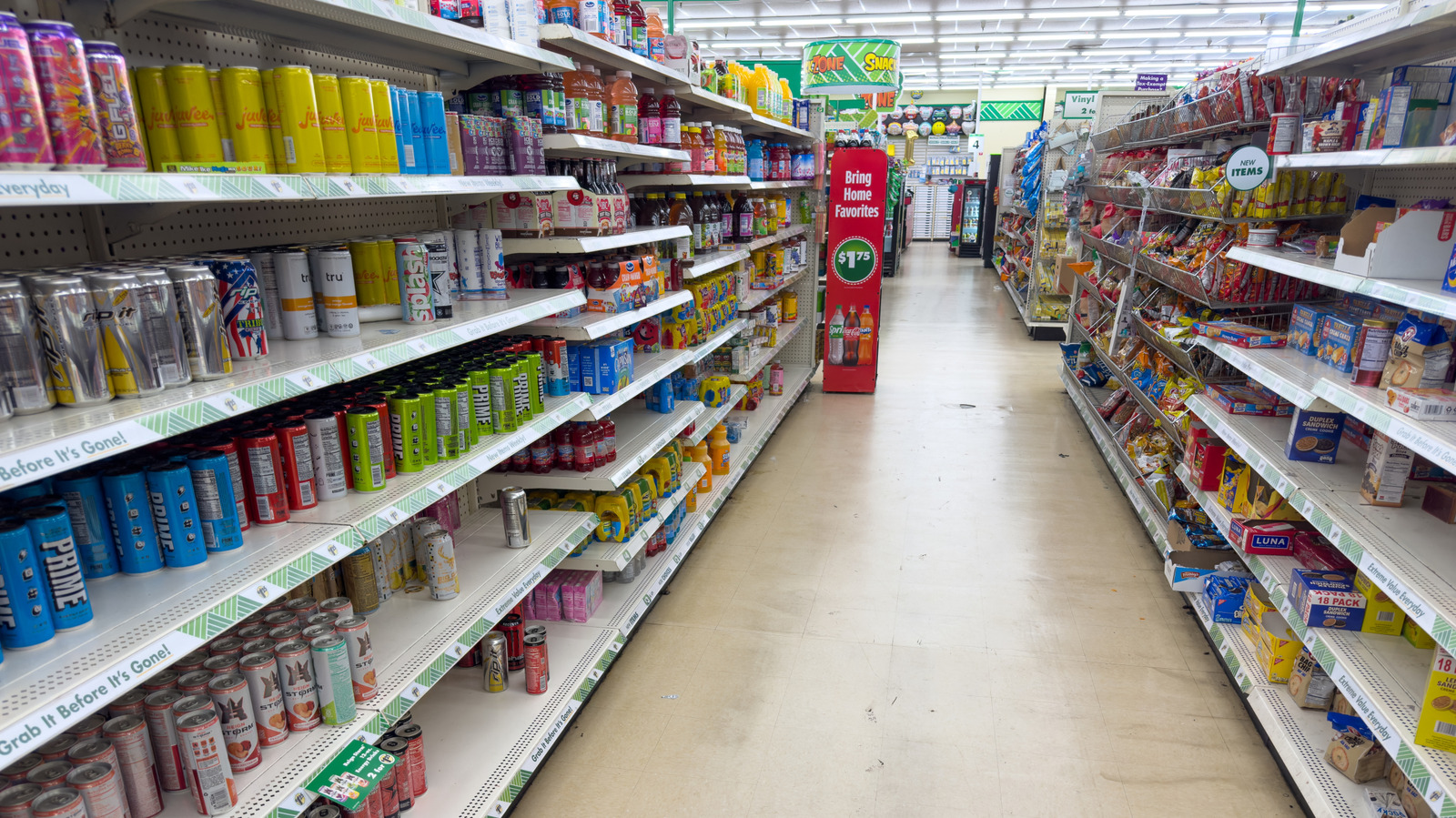
Dollar Tree now stocks eight popular energy drink brands as individual cans, offering budget-conscious consumers a low-cost alternative to buying multipacks. The retailer's one-dollar price point makes premium energy beverages accessible without committing to bulk purchases.
This retail strategy reflects shifting shopping habits among price-sensitive consumers. Dollar stores have expanded their beverage selections significantly over the past three years, recognizing that single-serve drinks drive foot traffic and basket size. The move also capitalizes on energy drink consumption patterns, particularly among younger shoppers who prefer sampling different brands before committing financially.
The availability of national brands at Dollar Tree stores nationwide simplifies the purchase process for consumers seeking convenient caffeine boosts. Rather than visiting specialty retailers or supermarkets where individual cans often cost two to three dollars, shoppers can grab their preferred option during routine dollar store visits. This accessibility matters in food deserts and underserved communities where convenience stores may charge premium prices.
For energy drink manufacturers, Dollar Tree distribution represents a volume play. Lower margins per unit translate to higher turnover and broader market penetration. Brands gain shelf space in thousands of locations simultaneously, reaching demographics that might otherwise skip premium-priced energy beverages.
The trend underscores how discount retail chains have evolved beyond seasonal items and cleaning supplies. They now function as legitimate grocery alternatives, particularly for prepared foods and beverages. Dollar Tree's energy drink selection competes directly with convenience stores and traditional supermarkets on accessibility, if not on product variety.
This retail expansion also raises questions about consumption patterns. Energy drinks carry ongoing health conversations regarding caffeine content and sugar levels. Lowering the barrier to purchase through dollar-store availability makes these beverages more impulse-friendly for shoppers, particularly young consumers with limited budgets. The business move prioritizes accessibility and convenience over the health considerations surrounding frequent energy drink consumption.