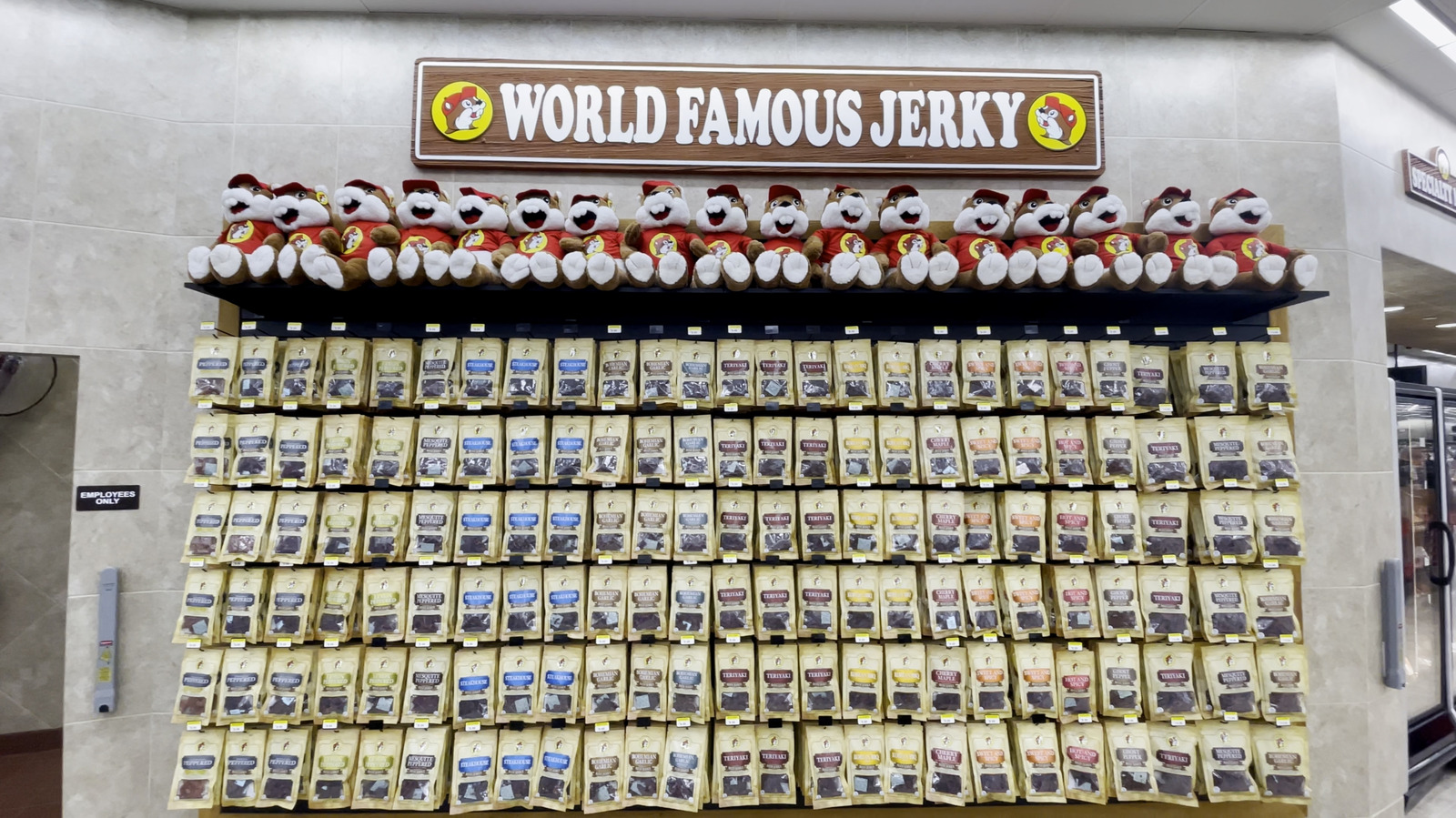
Buc-ee's, the Texas-based travel center empire known for sprawling locations and obsessive product curation, sources its private-label beef jerky from an unnamed manufacturer. The partnership reveals how major retailers build snack portfolios without developing production capacity in-house.
Buc-ee's operates more than 50 locations across the American South and beyond, each stocked with thousands of items. The chain distinguishes itself through aggressive private labeling, moving beyond typical gas station fare into artisanal-style offerings. Hot foods, fresh pastries, and branded snacks form the backbone of Buc-ee's margins and customer loyalty.
Beef jerky represents a natural fit for the retailer's model. The category drives consistent impulse purchases and commands premium pricing. Buc-ee's jerky competes directly with established brands like Jack Link's and Beef Jerky.com while carrying the retailer's own branding and pricing power.
The sourcing arrangement exemplifies modern retail strategy. Rather than build manufacturing plants, chains contract with established processors who handle production, quality control, and supply chain logistics. This outsourcing model reduces capital expenditure while maintaining private-label control over packaging, flavor profiles, and positioning.
Buc-ee's rapid expansion depends on such relationships. The company opened 19 new locations between 2022 and 2024, each requiring thousands of SKUs on day one. Contracting with manufacturers for private-label goods accelerates launch timelines and keeps operational focus on real estate, location design, and customer experience.
The beef jerky category itself reflects broader snacking trends. Americans consume roughly 900 million pounds of jerky annually. High-protein, shelf-stable snacks appeal to road-trippers and convenience shoppers. Buc-ee's positions jerky as a premium alternative to mass-market competitors