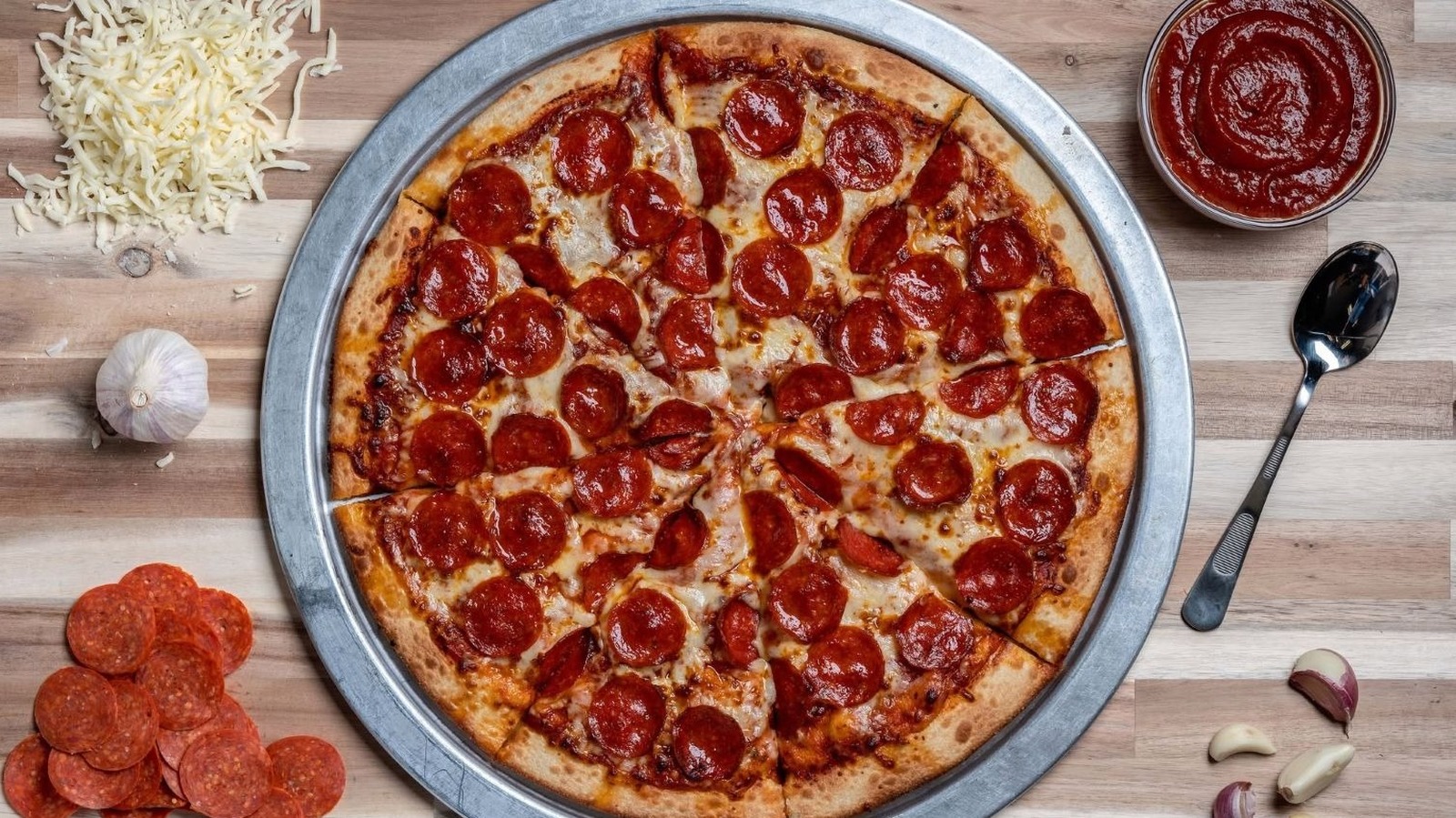
# East Coast Gas Station Chain Built a Century-Long Pizza Reputation
A gas station on the East Coast has become an unlikely culinary destination, selling pizza alongside fuel for more than a century. The chain has transformed the ordinary convenience stop into a place where customers actively seek out the food, not just the gasoline.
This crossover between fuel and food reflects a broader shift in how Americans approach gas station dining. What once meant stale hot dogs and questionable nachos now includes legitimate kitchen operations run by chains willing to invest in quality ingredients and technique. The pizzeria model works particularly well at highway stops, where customers need filling meals and operators have the volume to keep dough fresh and ovens constantly running.
Gas station pizza chains have proliferated across America in recent years, but few have the longevity or regional loyalty of this East Coast operation. A century of continuous operation suggests the business survived changing tastes, economic recessions, and competition from dedicated pizzerias. That staying power comes from consistency. Drivers return because they know what they'll get.
The model also offers practical advantages. Gas station chains already operate twenty-four hours and have established supply chains. Adding pizza to existing convenience stores maximizes real estate and customer dwell time. A pizza buyer fills up the tank and spends money on food. The margin on gasoline is thin, but prepared food carries healthier profit margins.
For regional travelers, a reliable pizza stop becomes part of the journey itself. The chain has essentially created a brand promise: stop here, get gas, eat good pizza. That simplicity endures where trendier concepts fade.
This gas station's pizza success demonstrates that quality food doesn't require white tablecloths or fine dining service. It requires commitment to fundamentals. Fresh dough. Proper sauce. Attentive staff. The setting matters less than the execution.