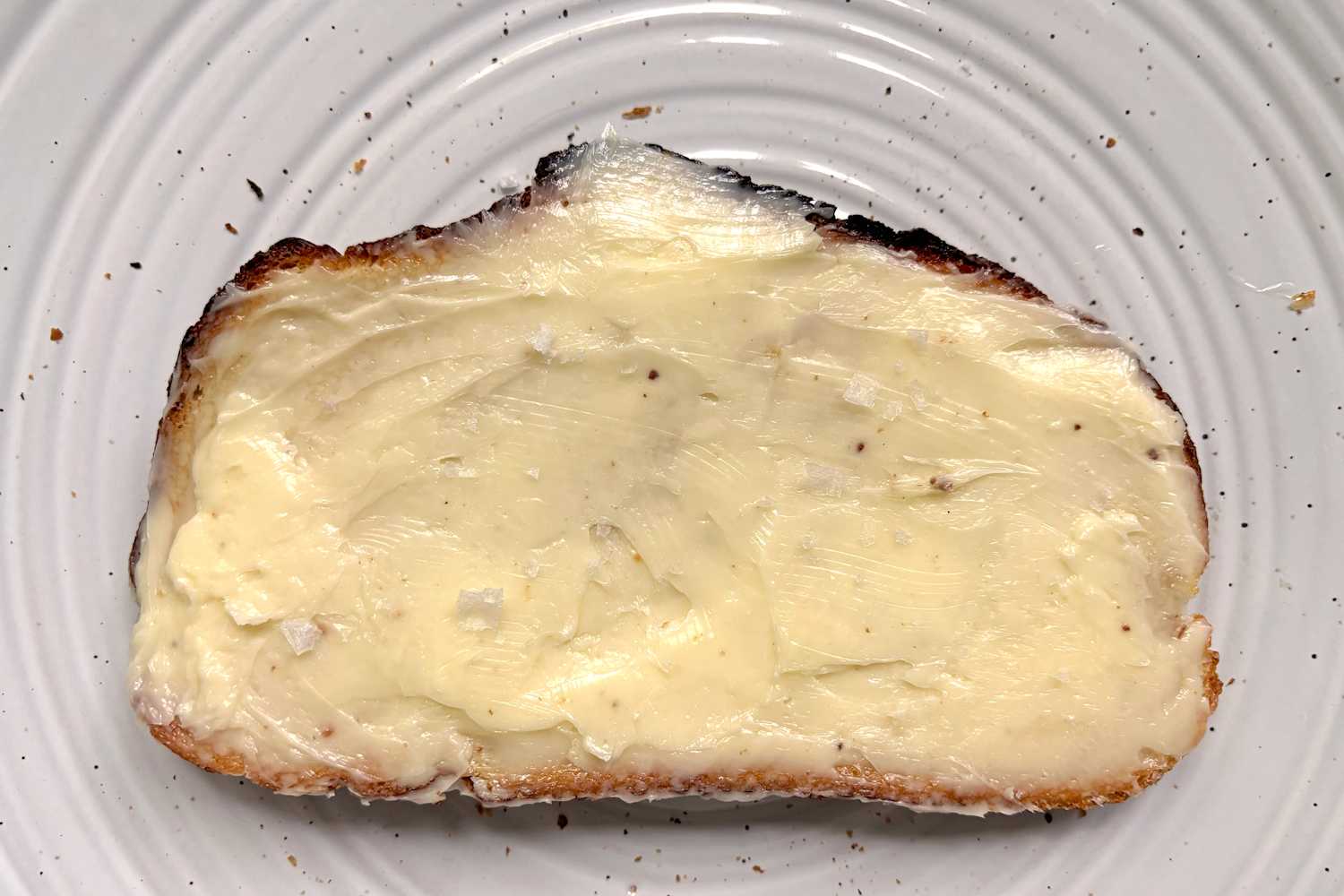
Aldi's Specially Selected sourdough round has become a grocery phenomenon. Shoppers purchase 575,000 loaves weekly, making this $3 bread one of the retailer's fastest-moving products.
The loaf's success hinges on a simple formula. It slices thin enough for sandwiches yet maintains structural integrity that prevents collapse when topped. The crust develops a satisfying snap. The interior crumb remains open and airy. At three dollars, the price undercuts most supermarket artisanal breads by half.
Aldi positions the Specially Selected line as a private-label premium tier. These products compete directly with name brands but cost significantly less. The sourdough round exemplifies this strategy. It delivers the tangy flavor and proper fermentation timeline that serious bread consumers expect, without the premium bakery markup.
The scale reveals what modern grocery shoppers actually want. Half a million loaves weekly signals something beyond casual purchasing. This bread works in multiple contexts. Weekend sandwiches. Toast for breakfast. Breadcrumbs for cooking. The versatility keeps people returning.
Aldi's supply chain efficiency enables aggressive pricing on quality items. The company operates with minimal overhead compared to traditional grocers. Fewer SKUs per category means deeper purchasing power. Direct sourcing with manufacturers reduces middlemen costs. These efficiencies flow to the checkout counter.
The sourdough's popularity also reflects broader consumer trends. Shoppers increasingly prioritize value without sacrificing quality. Pandemic-era home cooking normalized making sandwiches from real bread rather than pre-packaged alternatives. People discovered that proper sourdough affects taste noticeably.
Aldi has built its U.S. expansion partly on this model. Offer fewer choices than competitors. Make those choices excellent. Price them aggressively. The strategy works when execution matches ambition. The