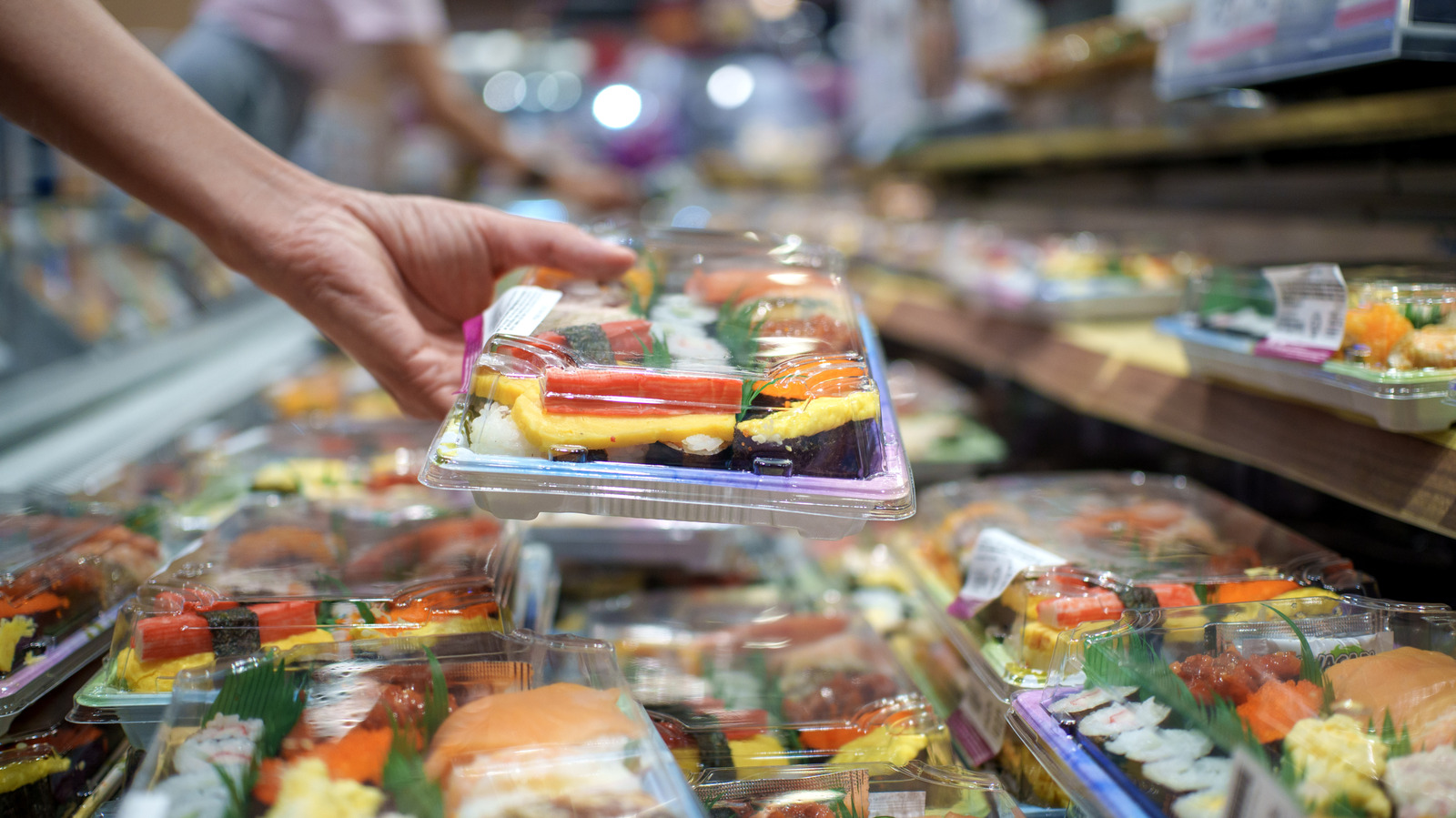
# Grocery Store Sushi Gets Serious Treatment at Southern Chain
Sushi lovers typically head to dedicated restaurants for fresh rolls and nigiri, but a Southern grocery chain has quietly built a reputation for delivering quality sushi that rivals standalone specialists. While warehouse clubs like Costco and Sam's Club dominate bulk grocery shopping, this regional chain has carved out a distinct advantage in prepared sushi.
The chain's success stems from a commitment to ingredient freshness and trained sushi chefs working in-store. Rather than relying on pre-made offerings shipped from distant distribution centers, these locations employ experienced craftspeople who prepare rolls daily. This hands-on approach means customers get sushi made that morning, not items that spent days in transit.
The competitive advantage over national warehouse clubs is clear. Costco and Sam's Club prioritize volume and value, often sacrificing freshness for consistency across thousands of locations. A regional grocery chain can maintain tighter quality control, source fish from preferred suppliers, and respond quickly to customer preferences within its territory.
What sets this chain apart goes beyond staffing. Menu offerings reflect genuine sushi expertise. Alongside classic California and spicy tuna rolls, locations feature specialty items using seasonal ingredients and refined techniques. The rice seasoning, fish quality, and nori sourcing all receive attention typically reserved for dedicated sushi restaurants.
Pricing sits squarely between grocery store convenience and restaurant costs. Customers pay more than they would for pre-packaged sushi at warehouse clubs, but substantially less than dining out. This positioning has attracted health-conscious shoppers and sushi enthusiasts who want fresh options without the restaurant bill.
The grocery store sushi market continues expanding as consumers demand better prepared foods. This Southern chain demonstrates that regional chains willing to invest in trained staff and daily production can compete effectively. For sushi lovers in the Southeast, these locations have become reliable alternatives to both big-box