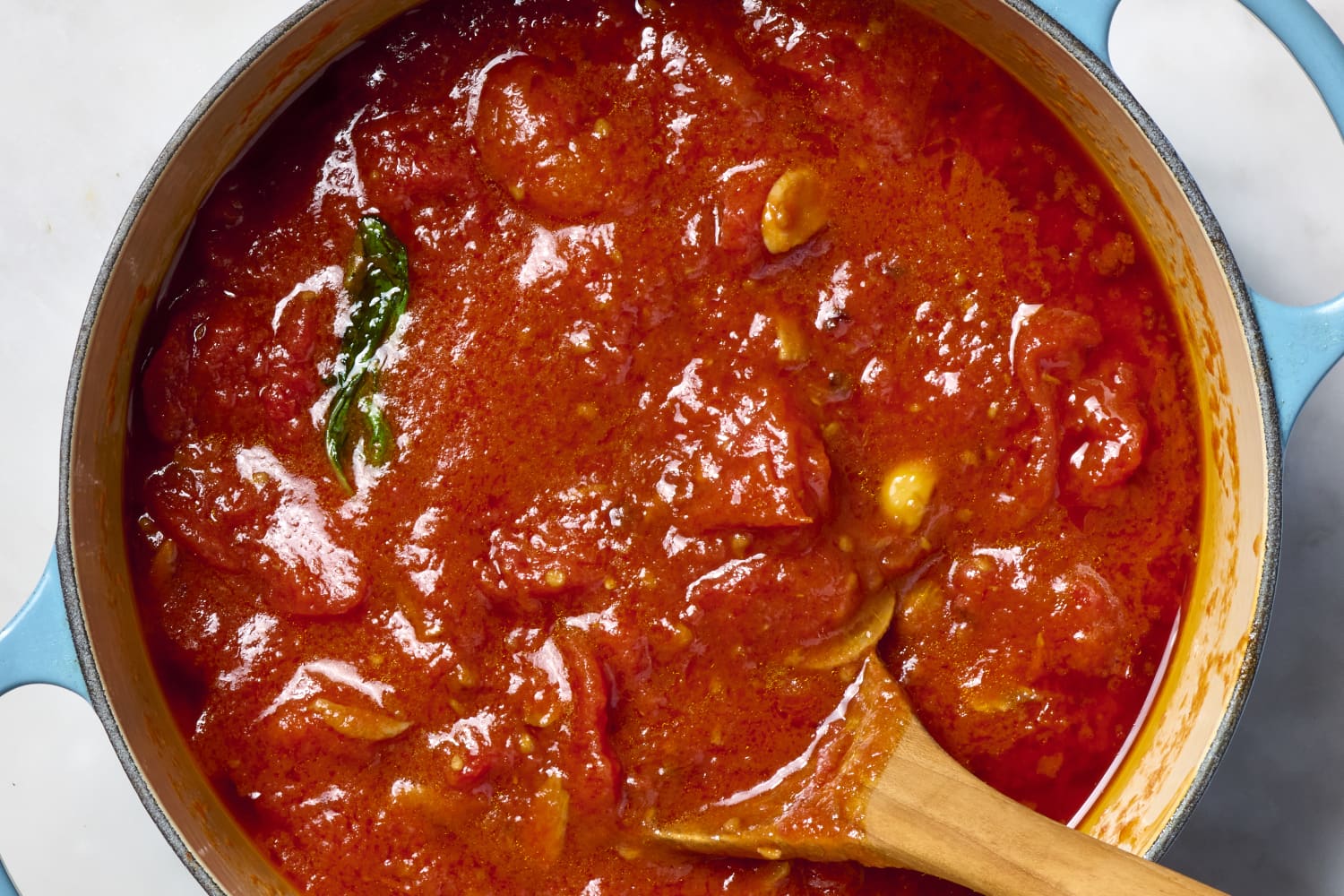
A simple two-tablespoon addition transforms marinara sauce from flat to complex. The secret ingredient: cherry peppers.
Adding cherry peppers to spaghetti sauce builds depth that tomatoes alone cannot achieve. The peppers contribute subtle sweetness, gentle heat, and a brightness that cuts through the richness of olive oil and garlic. They work whether you use fresh peppers, jarred varieties, or pepper paste.
The technique matters. Chop or mince the cherry peppers finely, then sauté them with your garlic and onions before adding tomatoes. This softens their texture and allows their flavor to integrate into the sauce base. Two tablespoons creates noticeable impact without overwhelming the dish or making it noticeably spicy.
Home cooks often overlook peppers as sauce builders. They focus on tomatoes, herbs like basil and oregano, and aromatics. Cherry peppers fill a gap. They amplify umami, round out sharp acidity, and add dimension without requiring additional ingredients or complicated technique.
The difference becomes apparent after simmering for twenty minutes. Tasters notice enhanced flavor complexity compared to traditional marinara. The sauce tastes more refined, more intentional, yet the cherry pepper flavor stays subtle enough that most people won't identify its source. They'll simply taste "better sauce."
This approach scales easily. Double the recipe for a large batch. Adjust the two-tablespoon baseline based on your pepper type. Fresh cherry peppers tend milder than jarred or preserved versions, so start conservative and taste as you go.
Restaurant cooks understand this principle. Italian chefs build layers. They start with quality tomatoes, then add supporting players that enhance without dominating. Cherry peppers function this way in the home kitchen, turning a weeknight marinara into something approaching trattoria quality.
The beauty here is accessibility.