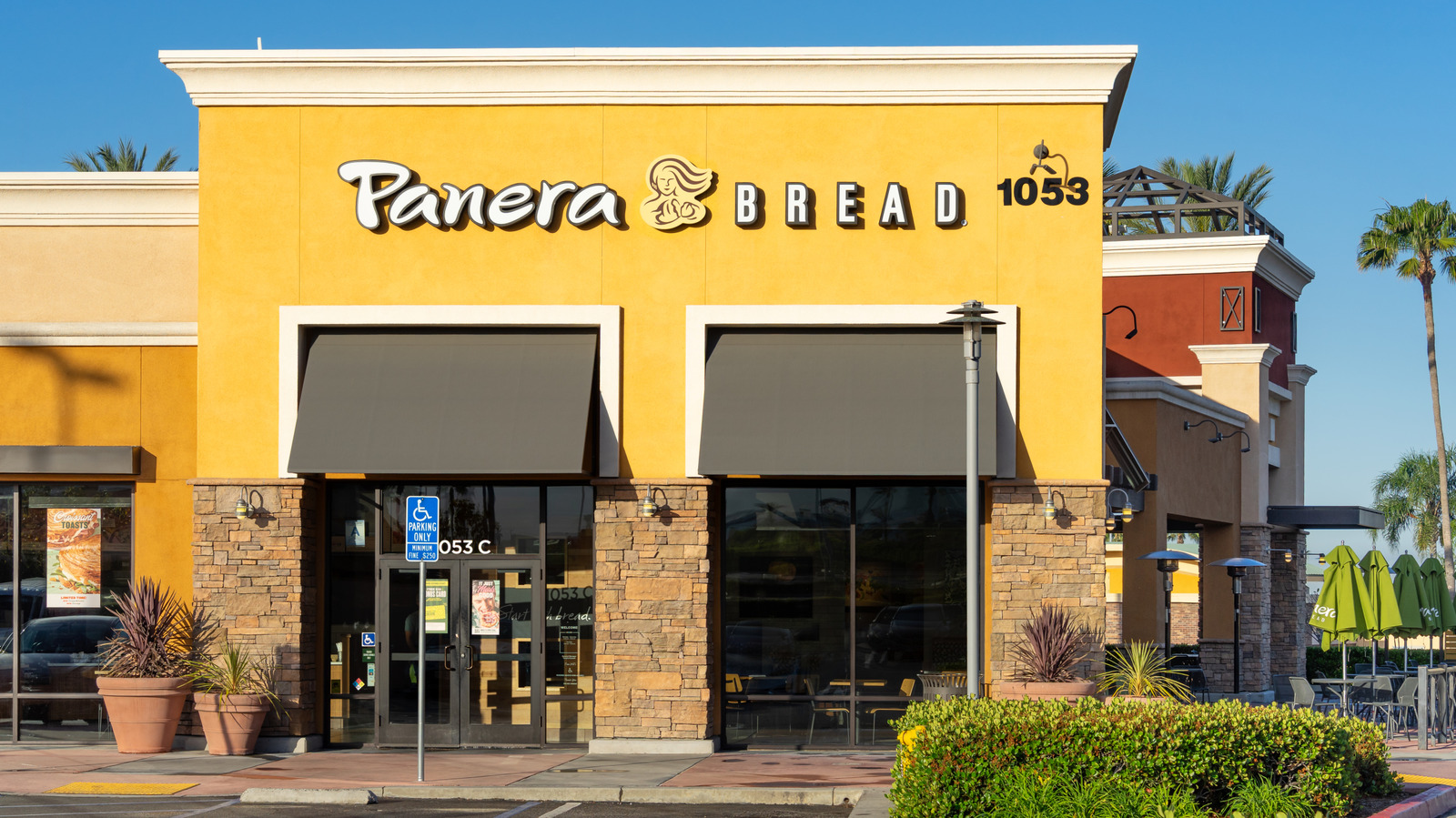
Panera Bread's decline from fast-casual dominance reflects a perfect storm of customer frustrations. Price increases have eroded the chain's value proposition, historically its strongest selling point. Customers who once viewed Panera as affordable and accessible now compare it unfavorably to competitors offering better portions at lower costs.
Menu changes have alienated longtime patrons. The company discontinued beloved items without adequate replacement options, creating gaps in the lineup that drove customers elsewhere. Regular visitors discovered their go-to orders simply vanished.
Service inconsistencies compound these problems. Wait times have lengthened across locations, while order accuracy has suffered. Drive-thru experiences that once justified Panera's fast-casual positioning now feel sluggish and unreliable.
The company's digital strategy, initially a strength, has backfired. The Panera app and online ordering system promised convenience but delivered technical glitches and unfulfilled orders. Customers report difficulties modifying orders or receiving refunds for errors.
Location closures have reduced accessibility. As Panera shuts underperforming stores, the chain's footprint contracts, limiting options for customers in many markets.
Quality perception has shifted downward. Food consistency has declined noticeably, with customers reporting stale baked goods and reheated soups. The "fast casual" promise of fresh, made-to-order food rings hollow when execution falters.
Competition has intensified. Rivals like Sweetgreen, Chipotle, and emerging local concepts now offer superior quality, better customization, and comparable pricing. Panera's once-distinctive positioning has become muddled and unremarkable.
Staffing shortages plague operations. Understaffed locations struggle to maintain service standards, creating friction during peak hours. Employee burnout translates directly to customer dissatisfaction.
Brand loyalty has evaporated. Without compelling