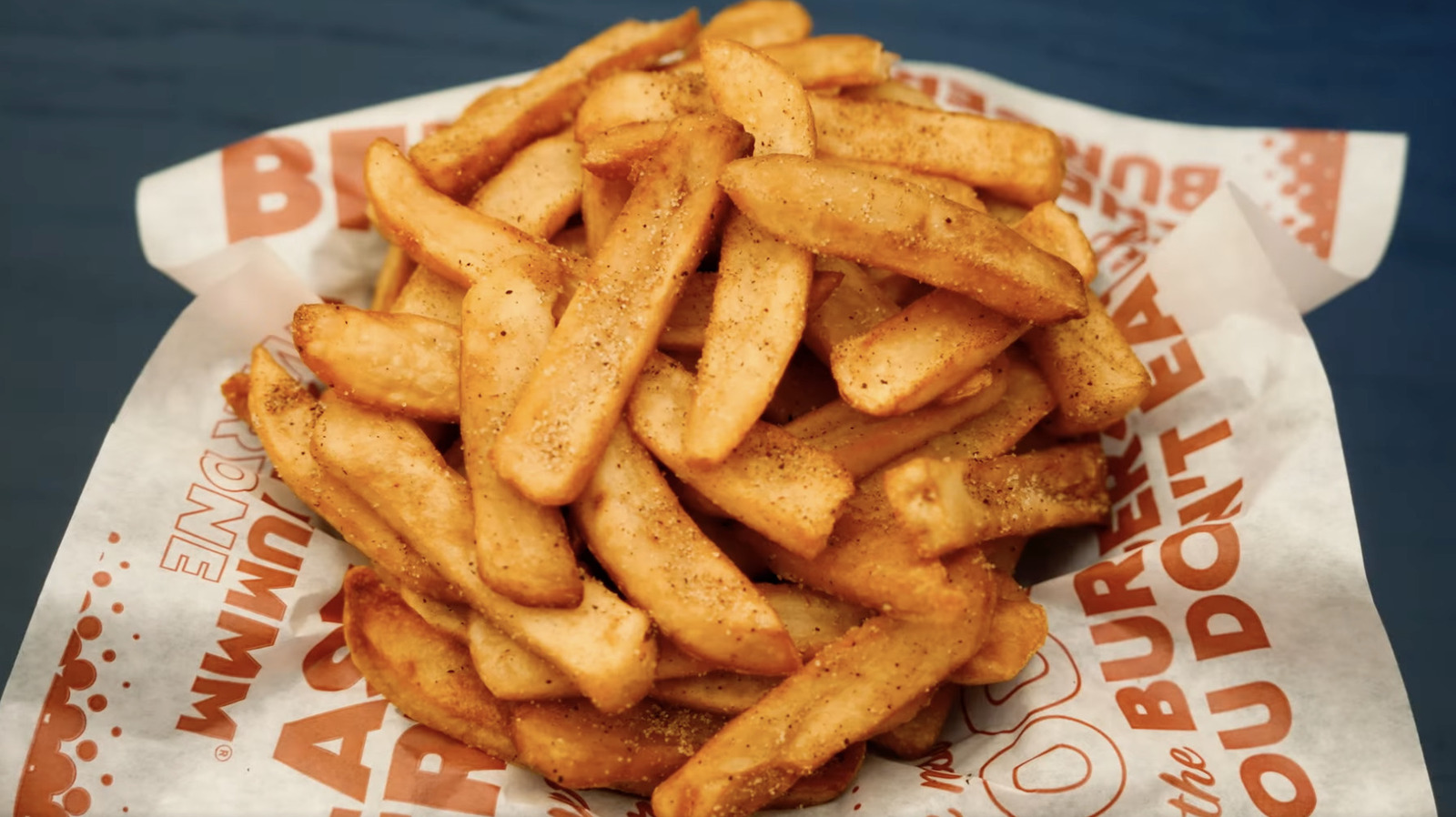
Red Robin's signature fry seasoning has become as iconic as the bottomless basket itself. The casual dining chain guards its recipe closely, but the blend typically contains salt, paprika, garlic powder, onion powder, and black pepper as core components. Some food enthusiasts and copycat recipes suggest the mix also includes cayenne pepper for a subtle heat kick and dried herbs like parsley or chives for freshness.
The seasoning strategy reflects Red Robin's broader approach to customer loyalty. Bottomless fries arrived in 1997 and transformed the chain's identity, making the side dish a draw in itself. The seasoning amplifies this appeal. Rather than plain salted fries, Red Robin delivers a more complex flavor profile that keeps diners reaching for another handful while waiting for their burger.
Replicating the exact formula at home remains a challenge. The chain likely sources pre-mixed seasoning blends or works with a food manufacturer to maintain consistency across thousands of locations. This industrial approach ensures every Red Robin restaurant from California to Connecticut delivers the same taste. Home cooks have experimented with various ratios of paprika, garlic, and onion powders to approximate the flavor, with varying degrees of success.
The fries themselves matter too. Red Robin uses fresh-cut potatoes fried in beef tallow or vegetable oil, depending on location. The seasoning clings better to freshly fried potatoes still steaming in the basket. This combination of quality potatoes, proper cooking temperature, and distinctive seasoning creates the addictive profile customers expect.
Food chains often build competitive advantages around unexpected menu items. McDonald's guards its Big Mac sauce formula. KFC protects Colonel Sanders' chicken spice blend. Red Robin's fry seasoning occupies similar territory. It transforms a commodity item into something memorable and branded. In a crowded casual dining market, these small flavor details drive