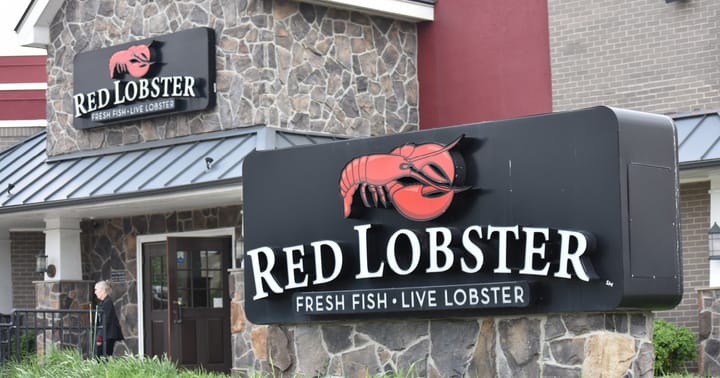
Thai Union, Red Lobster's seafood supplier, allegedly weaponized the chain's most famous promotion to pad its own profits. Creditors filed suit claiming the Bangkok-based company steered Red Lobster toward purchasing excessive shrimp volumes, culminating in the ruinous Endless Shrimp promotion that accelerated the restaurant chain's 2024 bankruptcy collapse.
The lawsuit targets a straightforward conflict of interest. Thai Union supplied Red Lobster with shrimp while also holding a stake in the chain's parent company. That dual position created perverse incentives to maximize shrimp consumption rather than protect the restaurant's bottom line. When Endless Shrimp launched, customers paid a fixed price for unlimited consumption, decimating profit margins on every plate served.
Red Lobster filed for Chapter 11 bankruptcy in May 2024, citing massive losses on the promotion. The chain operated 567 locations at the time of collapse. Industry observers fingered Endless Shrimp as a death knell. The all-you-can-eat model attracted price-sensitive diners who ordered aggressively and stayed long, destroying the unit economics that restaurants depend on.
Creditors now contend the promotion resulted from Thai Union's influence, not independent business strategy. The lawsuit alleges the supplier actively encouraged Red Lobster to expand shrimp purchasing and menu offerings, knowing the chain would exhaust itself trying to fulfill the Endless Shrimp promise while Thai Union profited from every pound sold.
The case exposes systemic vulnerabilities in restaurant supply chains. When suppliers hold equity stakes in their customers, transparency vanishes. Red Lobster's board apparently failed to insulate procurement decisions from conflicts of interest. Thai Union's leverage over menu development proved catastrophic.
The bankruptcy destroyed thousands of jobs and wiped out shareholder value. Thai Union's alleged role transforms