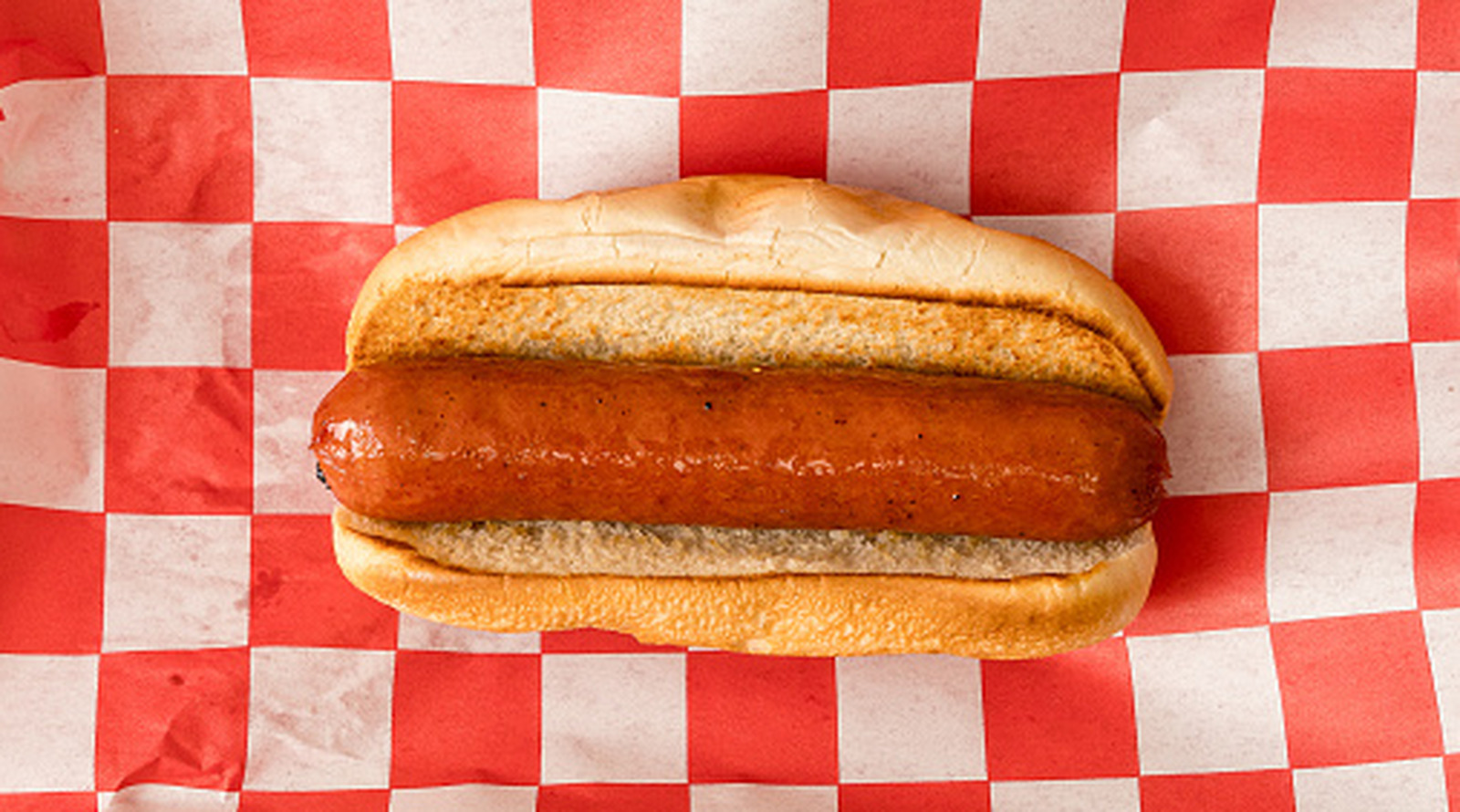
Japanese hot dog preparation transforms the American classic through a technique-driven approach that amplifies flavor and texture. Rather than simply loading a bun with a sausage, the Japanese method involves careful layering and ingredient selection that elevates each component.
The foundation starts with the hot dog itself. Japanese cooks often choose higher-quality sausages or prepare their own, prioritizing meat with superior flavor and texture. The sausage receives a sear in a hot pan or on a griddle, creating a caramelized exterior that locks in juices and develops complexity.
The bun preparation matters equally. Instead of a standard soft white bun, Japanese-style hot dogs frequently use slightly sweet, pillowy brioche-style buns or even steamed options. Some preparations butter and toast the bun lightly, adding richness and preventing sogginess.
The condiments and toppings follow a philosophy of balance rather than excess. Japanese chefs layer ingredients thoughtfully: perhaps bonito flakes that wilt slightly from residual heat, creating umami depth. Wasabi mayo replaces traditional mustard, adding spicy complexity. Japanese mayo, with its higher egg yolk content, provides creaminess that American condiments cannot match. Pickled vegetables like takuan (daikon) or shiso leaves introduce brightness and textural contrast. Some preparations incorporate panko breadcrumbs for crunch.
The assembly itself follows precision. Each ingredient receives its designated space. The sausage sits centered. Condiments apply in deliberate amounts, preventing the sogginess that plagues hastily made hot dogs. Toppings arrange artfully, acknowledging that presentation influences perception.
This approach reflects Japanese culinary principles. Detail matters. Quality ingredients matter. The sum exceeds its parts when components receive respect and care. A hot dog becomes not a casual grab but a considered dish worthy of attention.