# Restaurant Giants Navigate Post-Pandemic Shifts
Domino's, Darden Restaurants, and Starbucks dominate today's industry conversation, signaling broader challenges facing major dining chains as consumer behavior and operational pressures reshape the sector.
Domino's continues its dominance in delivery pizza, but the chain faces intensifying competition from fast-casual concepts and ghost kitchens eating into market share. The company's reliance on third-party platforms and delivery partnerships means thinner margins despite robust order volumes. Same-store sales growth has moderated as pandemic-era delivery tailwinds fade.
Darden Restaurants, the sprawling parent of Olive Garden, LongHorn Steakhouse, and Capital Grille, grapples with labor costs and pricing power. The company operates over 1,800 locations across casual and fine dining. Like peers, Darden struggles to balance wage pressures with consumer resistance to menu price increases. Traffic remains choppy despite strong dayparts like lunch buffets at Olive Garden.
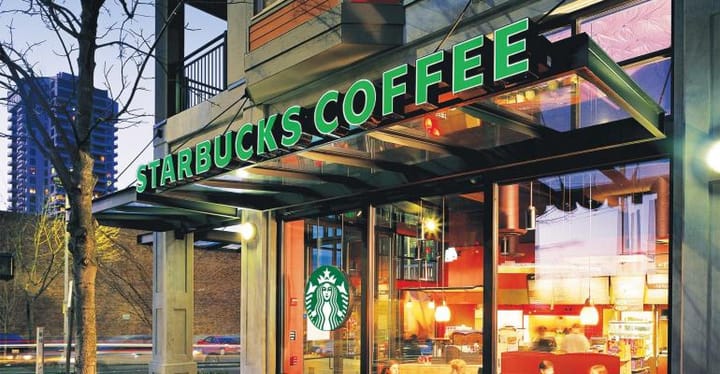
Starbucks confronts its most turbulent period in years. The coffee giant battles unionization efforts, supply chain volatility, and shifting customer habits. CEO leadership transitions have created uncertainty. Same-store sales declines in key markets like China and the U.S. signal weakening consumer demand. The company's premium positioning faces pressure as customers trade down or visit less frequently.
All three chains wrestle with staffing instability and wage inflation. Domino's franchisees report recruitment challenges for delivery drivers and in-store staff. Darden's casual-dining model depends on reliable servers and kitchen crews facing burnout. Starbucks baristas, particularly unionized locations, experience scheduling chaos and inadequate staffing levels.
Consumer traffic patterns remain uneven. Quick-service pizza and coffee outperform sit-down dining, yet promotional