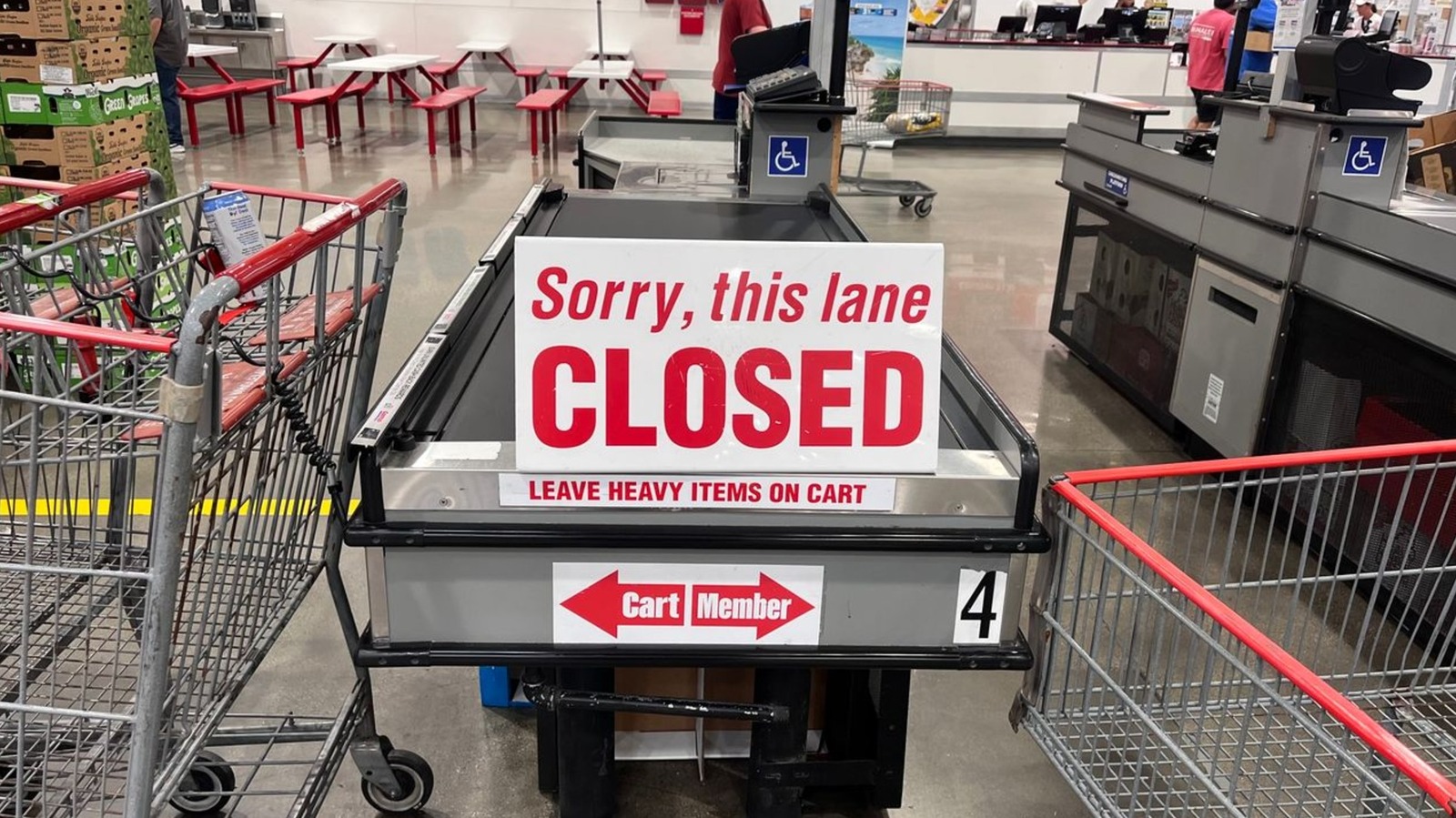
Costco shoppers face persistent shortages on three bestselling products that vanish from warehouse shelves faster than restocks can replenish them in 2026.
The warehouse giant has built its reputation on bulk pricing and reliable inventory, yet these three items consistently defy supply. Costco members hunt for these products during visits, only to find empty shelves where merchandise should sit. The pattern reflects both brand loyalty and the challenge of predicting demand for items with devoted followings.
Costco's supply chain manages millions of SKUs across hundreds of locations, yet certain products create bottlenecks. When an item develops cult status among members, the company struggles to match inventory with consumption rates. These sellouts happen despite Costco's sophisticated logistics network.
The shortage pattern tells a larger retail story. Costco members pay annual fees expecting reliable access to signature items. Stockouts damage that value proposition, even temporarily. The company must balance warehouse space constraints with member expectations for availability.
This phenomenon extends beyond simple popularity. Costco's business model relies on inventory turnover and member satisfaction. Frequent sellouts of flagship products force members to visit more often, chasing availability, or they threaten membership renewal if frustration mounts.
The three perpetual sellouts represent different categories within Costco's ecosystem. Each commands passionate consumer followings that amplify scarcity's appeal. When products remain unavailable, social media discussion intensifies, creating word-of-mouth that further drives demand.
Costco management faces pressure to boost production agreements with manufacturers or shift procurement strategies for these items. Warehouse managers report member complaints about recurring stockouts, indicating this represents more than isolated instances.
The sellout cycle creates unintended consequences. Members often purchase alternative products while hunting for their preferred items, potentially increasing overall basket size. However, frustration with unavailability poses real membership retention risks in a competitive