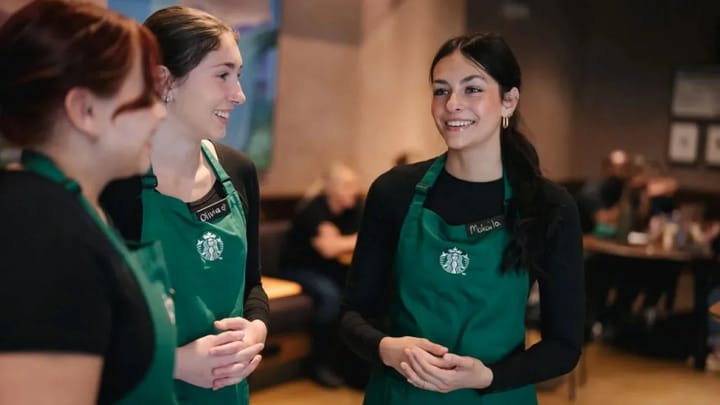
Starbucks launches a creator economy experiment with baristas. The coffee giant selected a group of employees called "Green Apron Creators" to produce TikTok content, compensating them for their work.
The program represents a shift in how major restaurant brands engage social media. Rather than relying solely on corporate accounts or influencers, Starbucks taps its workforce to generate authentic behind-the-scenes footage, drink recipes, and workplace moments. Baristas who participate receive payment beyond their regular wages, turning content creation into a side revenue stream.
This strategy addresses two business pressures simultaneously. TikTok audiences increasingly distrust polished corporate messaging and crave unfiltered authenticity. Employee-generated content delivers exactly that. Simultaneously, Starbucks faces persistent labor tensions. Offering creators compensation acknowledges worker contributions to brand building while potentially improving morale in stores dealing with unionization efforts and staffing challenges.
The "Green Apron" branding directly references Starbucks' employee uniform, cementing the creator identity around worker experience rather than corporate polish. This framing matters. It positions baristas not as service workers performing scripts but as creative partners with stakes in the brand's cultural relevance.
The pilot program also capitalizes on TikTok's dominance in short-form video. Gen Z workers naturally inhabit this platform. Unlike sponsored content requirements that feel transactional, offering creators compensation for voluntary posting removes friction and encourages higher-quality submissions.
Success hinges on whether Starbucks maintains authenticity. The moment content feels corporate-mandated or heavily edited, TikTok audiences will detect it. Employee creators must retain editorial control and genuine voice. If the company over-manages submissions or punishes controversial takes, the program collapses into traditional advertising dressed as user-generated content.
For competitors, this model presents both threat and template